Starting Yoga in a Larger Body
Props, Options and a Kind Start
Yoga adapts to every body. Here are the props, options and practical tweaks that make starting genuinely comfortable.
The hardest part is rarely the yoga. It is the walking-into-the-room part - the mirrors, the very thin person on the mat beside you, the assumption that everyone else already knows what they are doing.
Practising at home, with a teacher who can see you and adapt as you go, takes most of that away. And yoga itself is far more adaptable than its marketing suggests. Our yoga for obesity and weight management classes are designed with that in mind.
Props Change What Is Available
Blocks, a strap, a chair and a couple of firm cushions will open up more poses than any amount of effort will. Blocks bring the floor closer in standing folds. A strap means you can reach your foot without folding your chest into your belly. A chair takes the floor out of the equation altogether. Experienced practitioners use all of these constantly - props are how a pose is made to work for the body in front of it.
Before You Begin
This is general wellness guidance rather than medical advice. If you have a heart condition, joint concerns, or any ongoing health matter, please check with your healthcare provider before you start. A gentle practice works best alongside their guidance.
Adaptations Worth Knowing From Day One
Each of these is simply how the pose works for your body, which is the only version that matters.
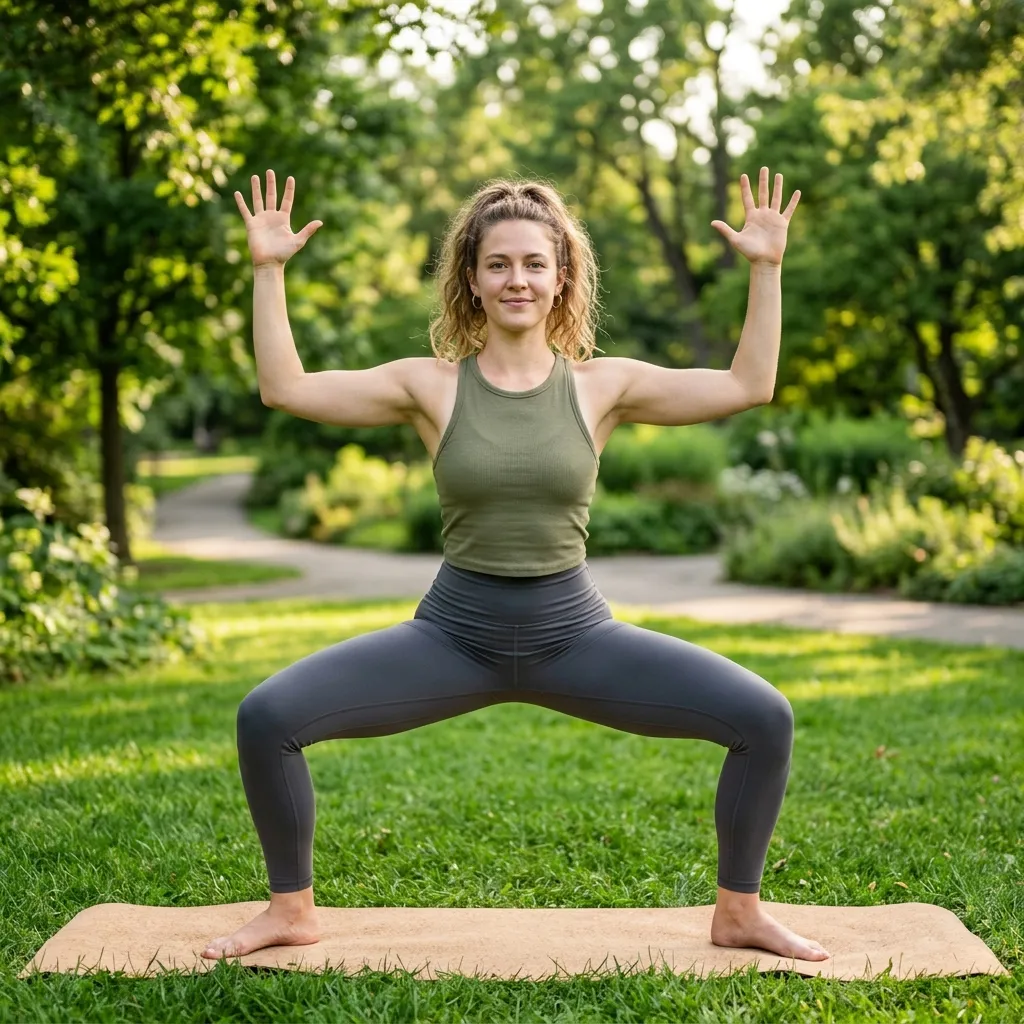
- Take a wider stance - feet further apart in folds and lunges gives the belly and chest room to move.
- Use blocks under your hands - in forward folds and lunges, so you are not reaching for a floor that is a long way off.
- Turn kneeling into standing - most kneeling poses have a standing or chair version that does the same job.
- Support seated poses with a cushion - sitting up higher lets the hips release and the back lengthen.
- Practise near a wall - a hand on the wall makes balance work available straight away rather than eventually.
Which Styles Suit a Beginning
Slower classes are the friendliest place to start - hatha, gentle, chair-based, or restorative. The pace gives you time to set each shape up properly and to ask questions, and long holds build real strength without the scramble of a fast flow. Vinyasa and power classes are excellent, and they will still be there in a few months. Beginning slowly is how the practice becomes something you keep.
What to Expect, Honestly
Breath tends to be the first thing that shifts, often within a couple of weeks - moving feels less effortful. Then balance, then how easily you get up from the floor. Yoga supports general wellness and a more active lifestyle, and it works best alongside your healthcare provider's guidance. Results vary, and progress is rarely tidy. Go at a pace you can sustain, and let it be something you enjoy. Yoga for legs and yoga for the lower back are useful companions.
Helpful further reading
- Exercise — NHS
- Physical activity basics — CDC
- Yoga: What you need to know — U.S. National Center for Complementary and Integrative Health
About the author
The YogShri editorial team writes warm, plain-spoken, evidence-aware yoga and wellness guides. We teach mindful movement, breathwork and relaxation for everyday well-being. We are not medical professionals, and our articles are general education, not medical advice.
A Class Built for Your Body
Join YogShri for live classes where instructors offer props and options for every body.
- Props and options in every class
- Live guidance on your alignment
- Practise privately from home
No commitment. Cancel anytime.
Explore Our Yoga Programs
Yoga for Anxiety & Stress
Calming, beginner-friendly yoga and breathwork that may help ease anxiety and everyday stress. Simple poses plus live, expert-guided classes.
Yoga for Back
Ease back tension and stiffness with gentle, beginner-friendly yoga. Simple poses, supportive core work, and live online classes with certified instructors.
Breathing Exercises for Relaxation
Five simple breathing exercises that may help you feel calmer and more settled. Step-by-step guidance and live, expert-led classes for beginners.