
Yoga for Obesity & Weight Management
Accessible, low-impact yoga with live expert guidance to help you build a routine that lasts.
Can Yoga Help with Weight Management?
Yes. At YogShri, live expert-guided classes blend active flows with gentle, joint-friendly options that may support a consistent, sustainable routine alongside balanced eating. Results vary.
- Builds Consistency
- Live scheduled classes make a regular routine easier to keep
- Gentle on Joints
- Low-impact options and props keep every pose accessible
- Builds Strength
- Standing poses work the large muscles of the legs and hips
- Encourages Mindfulness
- Breath and body awareness may carry over to daily choices
Why Students Choose YogShri
Our live classes give you personal attention from certified instructors who can see you and adapt every pose to your body in real time.
Small groups of 10 to 15 for real focus
You are never just a tile on a screen. Smaller classes mean your instructor can offer the modification that suits your body and comfort.
100+ live classes, morning to night
Join a session that fits your day - early morning, lunch break, or evening. Every class is live and interactive, never pre-recorded.
Real-time form correction and feedback
Get clear, practical cues and props guidance, plus a warm, judgement-free community of students and teachers cheering you on.
A program shaped around you
We start with a one-on-one chat about your goals, activity level, and any joint or breathing concerns, then design a practice that grows with you.
Who Can Benefit from Yoga for Weight Management?
You do not need to be flexible, fit, or experienced to begin. Our instructors meet you exactly where you are today and build from there.
Complete Beginners
No experience needed. Every pose has an accessible version, and your instructor guides each step clearly.
Anyone Returning to Movement
If it has been a while, a slow, supported start helps you rebuild confidence without overwhelming your body.
People in Larger Bodies
Props, wider stances, and chair-supported options make every shape work for you. This is a judgement-free space.
Desk Workers
Long hours seated leave the hips tight and energy low. Short, regular sessions help you feel more mobile.
Anyone With Sensitive Joints
Low-impact, controlled movement lets you build strength while keeping knees and hips comfortable.
People Wanting Habits That Last
Live scheduled classes create gentle accountability, which is often what turns good intentions into a routine.
Accessible Yoga Poses for Weight Management
These five poses build a balanced, sustainable practice, and four of the five are done standing so there is no getting up and down from the floor. Use a chair, wall, or blocks whenever they help, and rest whenever you need to.
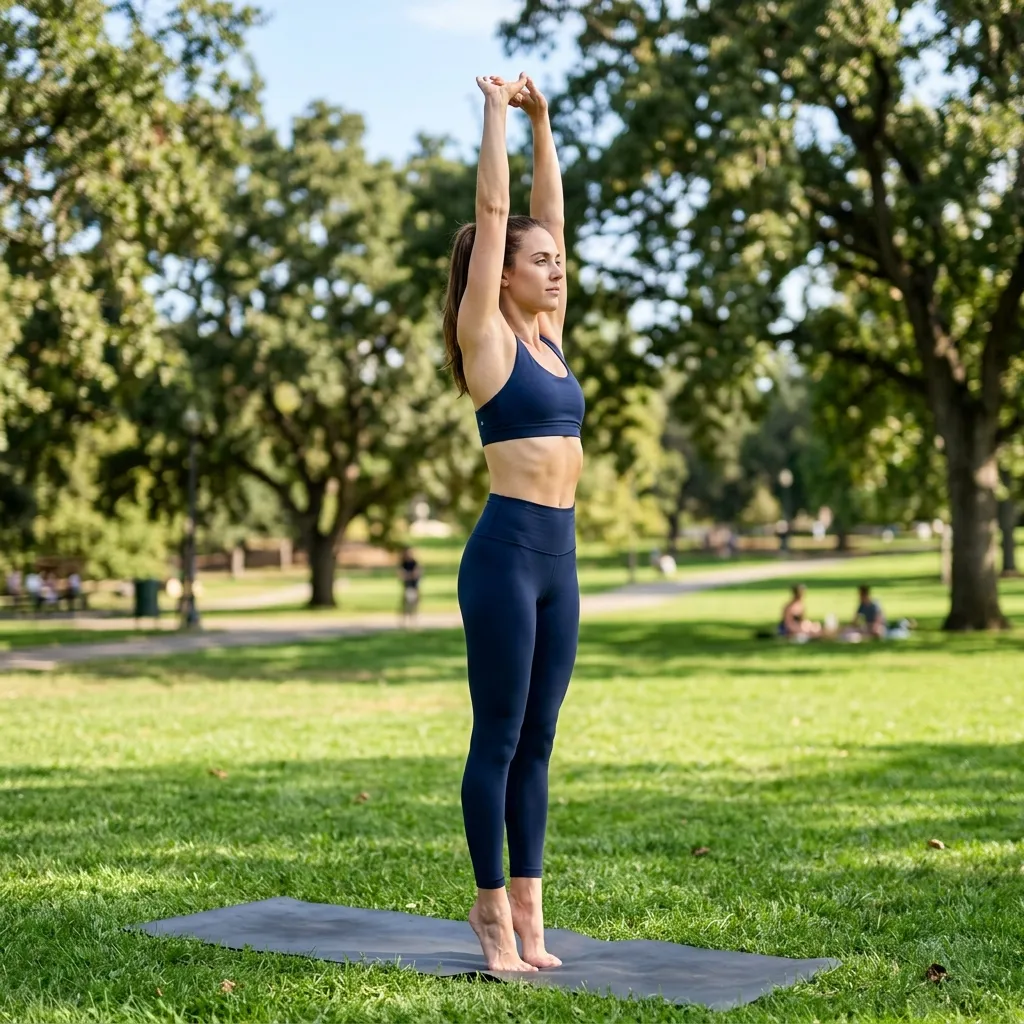
Mountain Pose
A simple standing pose that sets up your posture and steadies the breath.
- Stand with the feet hip-width apart or wider, whichever feels steadier
- Let the weight spread evenly through both feet
- Lengthen up through the spine and let the shoulders relax down
- Rest the arms at your sides and take slow, easy breaths
- If standing for long feels tiring, do the same shape seated tall in a chair
Why it helps: A no-barrier place to begin that may help you feel taller and steadier, and lets you settle the breath before moving.
Start Your Free Trial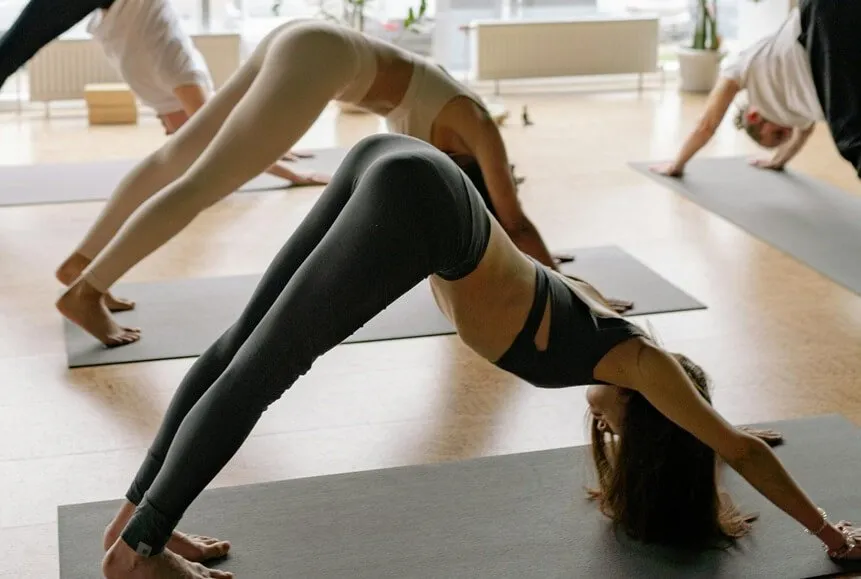
Half Sun Salutation
A standing-only version of the classic flow, linking breath to movement with no floor work.
- Stand tall with the feet hip-width apart or wider
- Inhale and sweep the arms out and overhead
- Exhale and fold forward with generously bent knees, resting the hands on your thighs, a chair seat, or two blocks
- Inhale and rise back up with a long spine, sweeping the arms overhead
- Exhale and lower the arms. Move at your own pace and pause between rounds whenever you like
Why it helps: May help build stamina and gently raise your energy, which supports an active lifestyle - without any plank or floor transitions.
Start Your Free Trial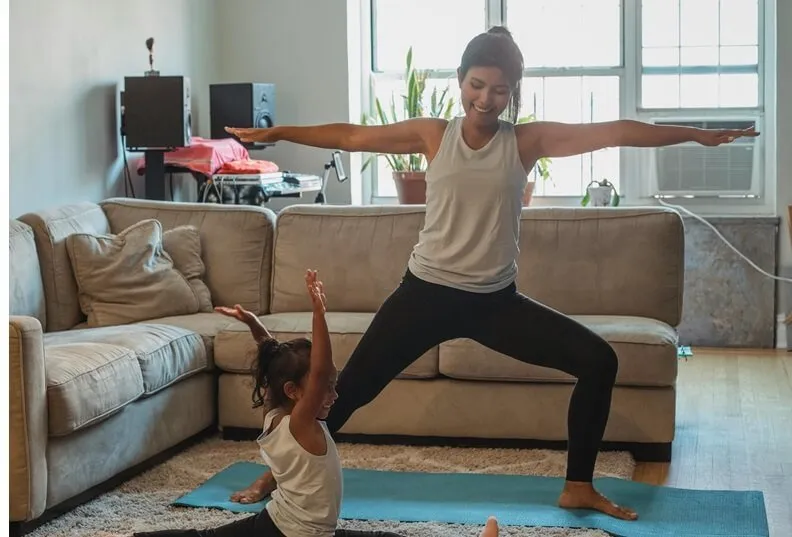
Warrior II
A grounded standing pose with a wide, stable base that builds strength through the legs and hips.
- Step the feet wide apart and turn the right foot out
- Bend the right knee so it tracks over the middle of the foot, never past the toes
- Keep the back leg long and press the outer edge of the back foot down
- Reach the arms out at shoulder height and look past the front hand
- Rest a hand on a chair back for balance if you like, then repeat on the other side
Why it helps: May help build strength and endurance in the large muscles of the legs, which supports everyday movement and stamina.
Start Your Free Trial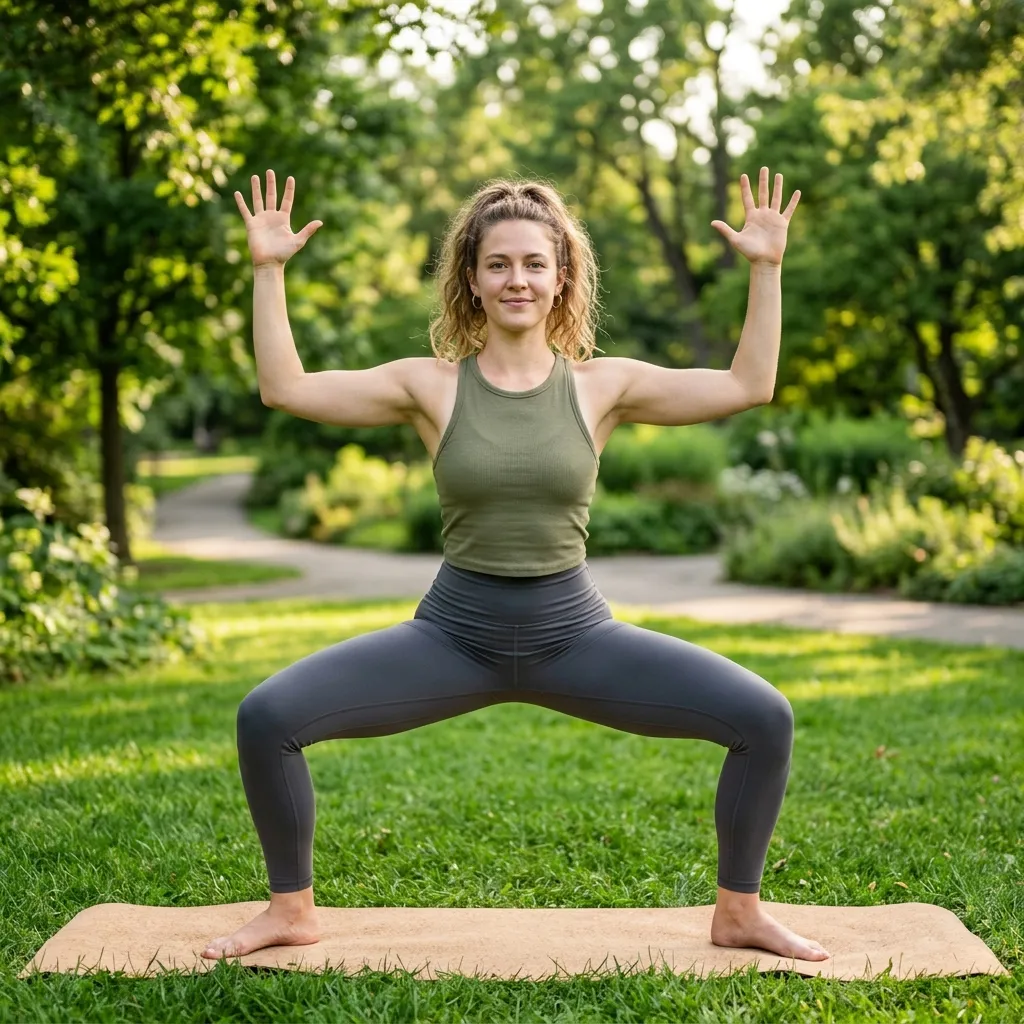
Goddess Pose
A wide-stance squat that builds warmth and strength through the thighs and hips.
- Step the feet wide apart and turn the toes out slightly
- Bend the knees so they track out over the middle of each foot
- Sink only as low as feels comfortable - a small bend is plenty to begin
- Bring the arms out to the sides with the elbows bent, or rest the hands on the thighs
- Hold for a few breaths, then straighten the legs slowly
Why it helps: The wide stance leaves plenty of room and spreads the load, making this a comfortable way to build leg strength and warmth.
Start Your Free Trial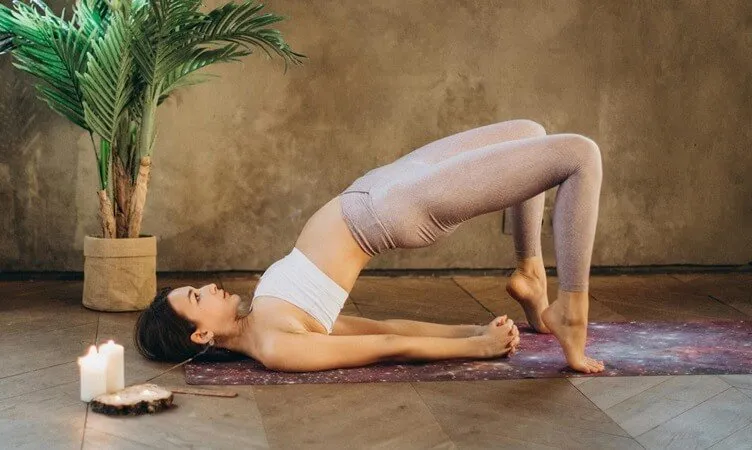
Bridge Pose
A floor-based pose that strengthens the glutes and back while opening the chest.
- Lie on your back with knees bent and feet flat, hip-width apart
- Rest the arms alongside your body, palms down
- Press through the feet and lift the hips only as high as is comfortable
- Keep the neck relaxed and the breath easy
- Lower slowly, or slide a block or cushion under the hips for a fully supported version
Why it helps: Strengthens the hips and back with the spine supported, and opens the chest in a way many people find helps breathing feel easier.
Start Your Free TrialThe Benefits ofYoga
A consistent practice offers several connected benefits that support an active lifestyle, steady habits, and overall well-being.
- Builds StrengthStanding and floor poses use your body weight to strengthen the legs, hips, and back.
- Builds StaminaFlowing sequences raise your energy and help everyday activity feel easier.
- Improves FlexibilityRegular, gentle lengthening supports comfortable range of motion in the hips and spine.
- Supports Easier BreathingBreathwork and chest-opening poses encourage fuller, steadier breathing.
- Encourages MindfulnessBody awareness built on the mat often carries over into everyday choices.
- Supports Restful SleepA calming evening practice helps many people wind down more easily.
- Supports BalanceStanding poses support steadiness, body awareness, and confidence on your feet.
- Supports Stress ReliefCombining movement, breath, and mindfulness supports relaxation and eases everyday tension.
Common Mistakes to Avoid
A few small adjustments help you enjoy the practice and keep it up - which is where the real change lives.
Starting with long, intense sessions
Begin with 15 to 20 minutes and build gradually. A pace you can repeat next week matters far more than one hard session.
Only ever choosing very gentle classes
Blend active styles such as Vinyasa and Sun Salutations with calmer, restorative sessions. Both play a part in a balanced week.
Skipping props because they feel like cheating
Blocks, straps, chairs, and walls are tools, not shortcuts. They let you hold poses with good alignment and get more from them.
Judging progress only by the scale
Notice energy, sleep, mood, mobility, and how clothes feel. These often shift first and tell you more about your practice.
Comparing your body to others in class or online
Every body is built differently. Your practice only needs to work for you, and your instructor will help you find your version.
Skipping the breathing to get to the poses
Breathwork steadies the mind and eases everyday stress. Give it the same attention as the movement.
Practicing Yoga for Weight Management Safely
This is general wellness guidance rather than medical advice. Yoga works best alongside your healthcare provider’s guidance - please check with them before you begin, especially if you have a heart, joint, breathing, or blood-sugar concern, are pregnant, or have been inactive for a while.
Do
- Start small and build up gradually week by week
- Use blocks, straps, a chair, or a wall whenever they help
- Tell your instructor about any joint or breathing concerns
- Keep water nearby and rest whenever you need to
- Balance active sessions with gentler, restorative ones
- Pair your practice with balanced eating and good sleep
Avoid
- Pushing into sharp pain or holding your breath
- Long periods kneeling if that is uncomfortable - use a chair instead
- Jumping between poses before you feel steady
- Comparing your range of motion with anyone else
- Practising through dizziness or breathlessness - stop and rest
- Using yoga as a replacement for professional guidance
Key takeaways
- Yoga may support weight management as one part of an active lifestyle alongside balanced eating. Results vary from person to person.
- A balanced week blends active flows such as Sun Salutations with gentler, restorative sessions.
- Props and chair-supported options make every pose accessible, whatever your size or starting point.
- Many people notice more energy, easier breathing, and better sleep before anything else changes.
- Little and often beats occasional long sessions, and yoga works best alongside your healthcare provider’s guidance.
Explore Yoga for Related Goals

Yoga for Anxiety & Stress
Calming, beginner-friendly yoga and breathwork that may help ease anxiety and everyday stress. Simple poses plus live, expert-guided classes.
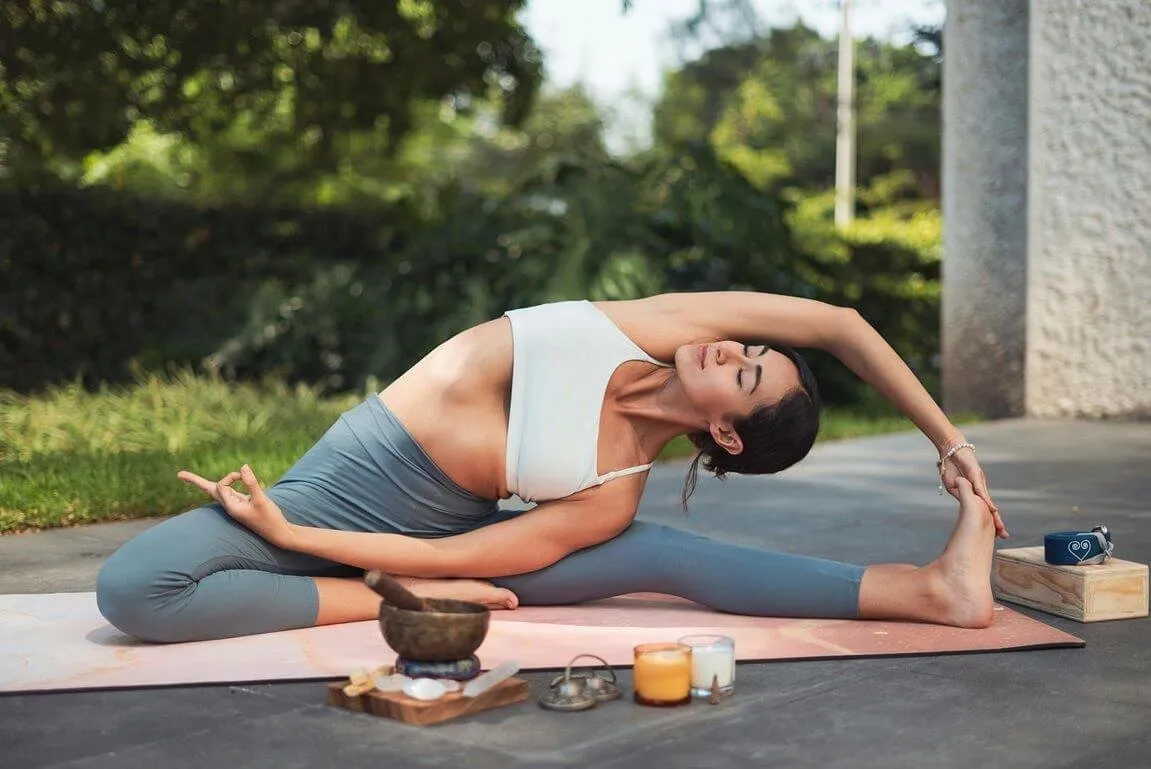
Yoga for Back
Ease back tension and stiffness with gentle, beginner-friendly yoga. Simple poses, supportive core work, and live online classes with certified instructors.
Breathing Exercises for Relaxation
Five simple breathing exercises that may help you feel calmer and more settled. Step-by-step guidance and live, expert-led classes for beginners.
Learn More from Our Journal
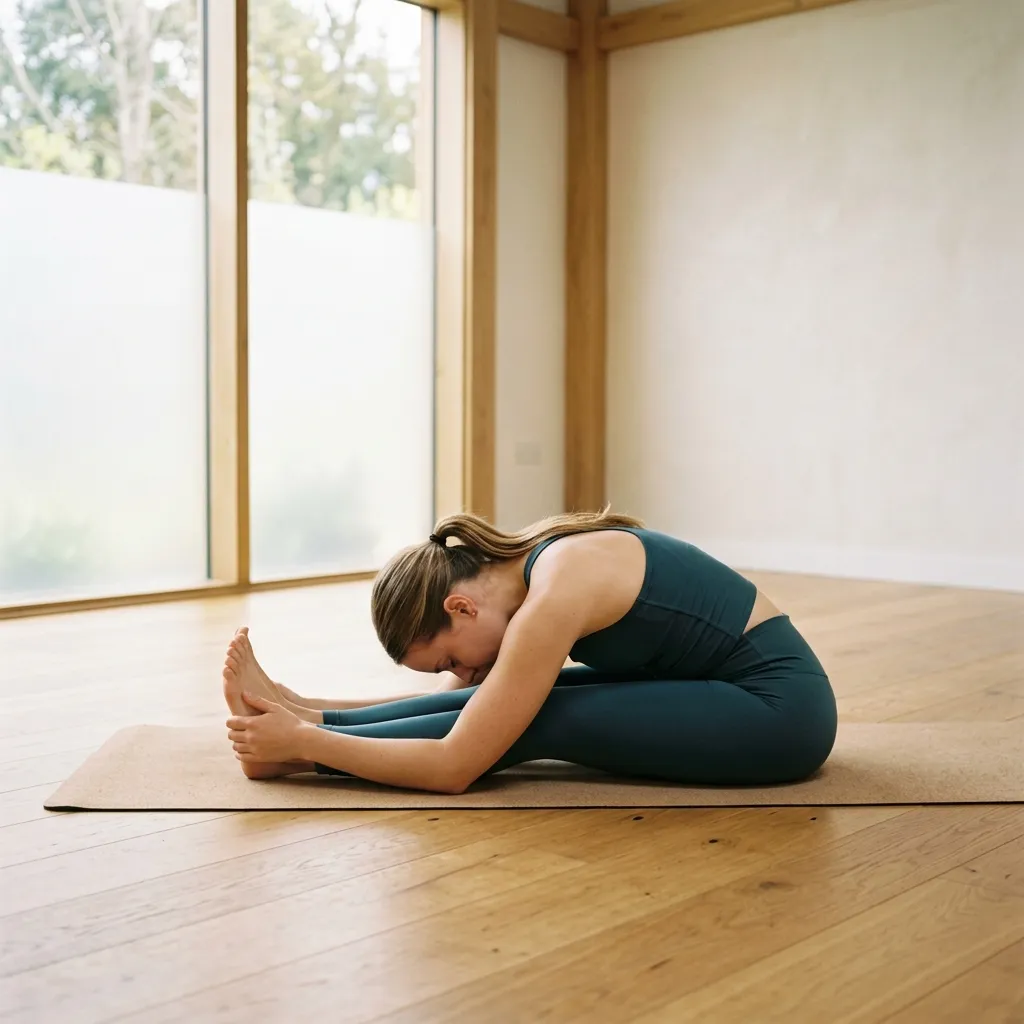
How Long Does It Take to Get Flexible?
A realistic look at how flexibility changes with regular yoga, why consistency matters more than intensity, and what to expect week by week.
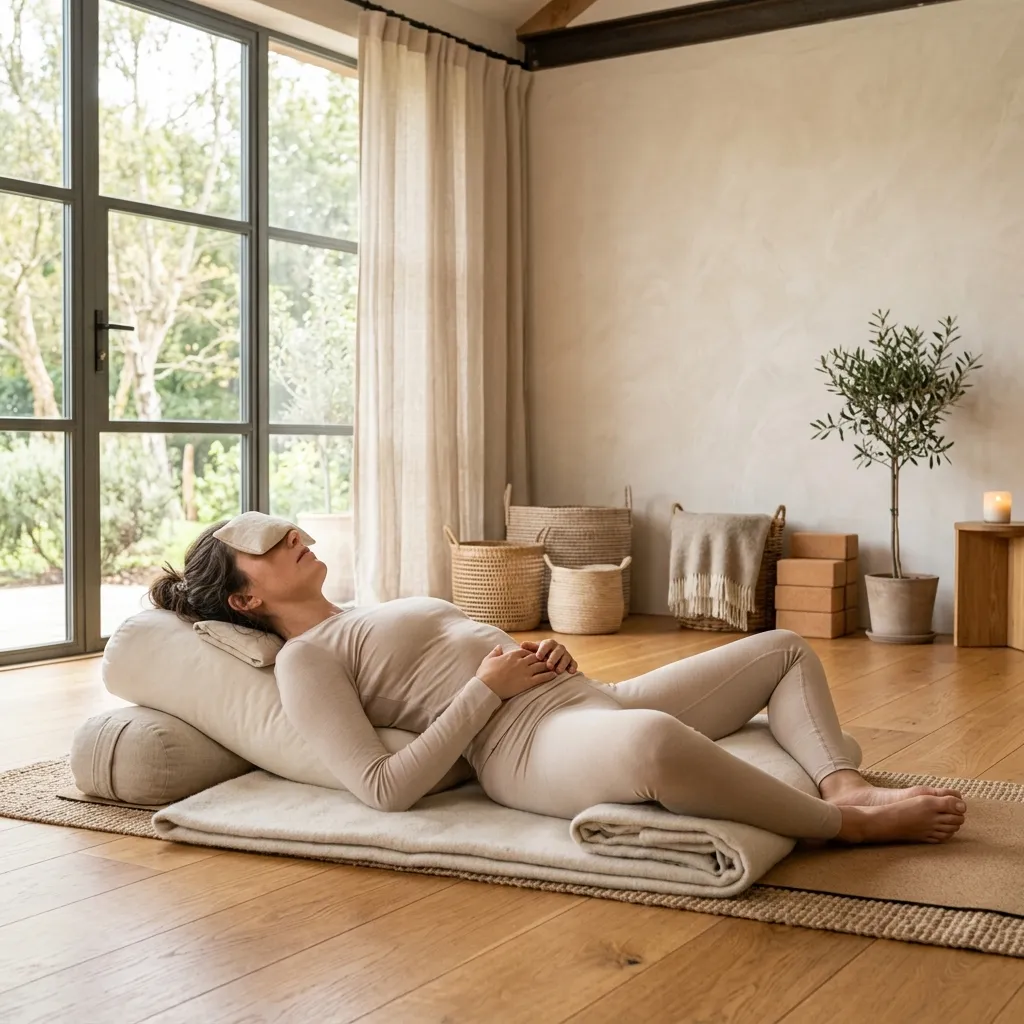
Can Yoga Help You Sleep Better?
Why a slow evening practice may help you wind down, which poses suit bedtime, and the ones to save for daytime. A practical guide you can try tonight.
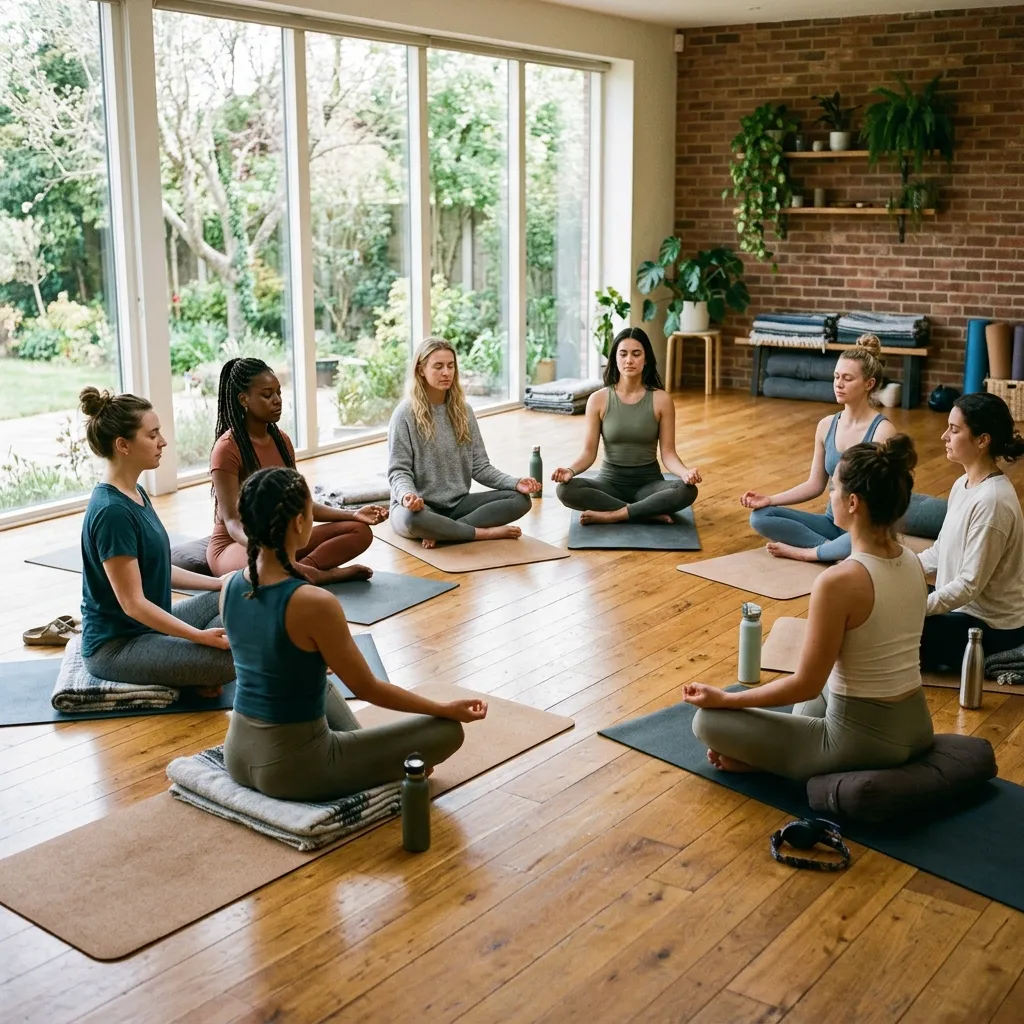
Meditation Techniques for Falling Asleep
Four meditation techniques you can do in bed, why they suit a busy mind at night, and how to build a wind-down that actually sticks.
Questions About Yoga for Weight Management
Can yoga support weight management?
Yoga may support weight management as part of an active lifestyle and balanced eating. Active styles build strength and stamina, while the body awareness you develop often carries over into daily choices. Results vary, and it works best alongside your healthcare provider’s guidance.
I am in a larger body and very new to exercise. Can I still start?
Yes, and you are very welcome. Every pose has a modification, and props such as blocks, straps, a chair, or a wall make each shape accessible. Our instructors adapt the class to the body in front of them.
Which style of yoga suits weight management best?
A blend works well. Active styles such as Vinyasa and Sun Salutations build stamina, while gentler and restorative sessions support rest and recovery from effort. Both have a place in a sustainable week.
How often should I practise?
Little and often works better than the occasional long session. Three or four sessions of 20 to 30 minutes a week is a realistic starting point that most people can keep up.
Will yoga alone be enough?
Yoga is one supportive part of a bigger picture that includes balanced eating, daily movement, sleep, and professional guidance. Many students find it is the piece that finally makes movement enjoyable and consistent.
What if my knees or hips feel sensitive?
Tell your instructor before class. They can offer chair-supported and standing alternatives, reduce time spent kneeling, and adjust the pace so the practice stays comfortable for you.
How soon might I notice a difference?
Everyone is different. Many people notice more energy, easier breathing, and better sleep before anything else. Experiences vary, so focus on how you feel rather than a timeline.
Should I speak to a doctor first?
Yes, please do, especially if you have a heart, joint, breathing, or blood-sugar concern, are pregnant, or have been inactive for a while. Your provider can confirm what is right for you.
Sources & further reading
- Yoga: What You Need To Know — National Center for Complementary and Integrative Health (NCCIH)
- Physical Activity Guidelines for Americans — U.S. Department of Health & Human Services
- Physical activity — World Health Organization (WHO)
- Exercise and activity for weight loss — NHS
- Yoga: Benefits beyond the mat — Harvard Health Publishing
Ready to Build a Practice That Lasts?
Book a friendly, no-pressure consultation with YogShri. We will get to know your goals, your comfort, and your week, then help you find a practice that fits - and grows with you.