Yoga for Legs
Live, expert-guided yoga to build leg strength, ease tightness, and move more comfortably every day.
Can Yoga Help Your Legs?
Yes. At YogShri, live expert-guided classes may help build leg strength, lengthen tight hamstrings and calves, and support steadier balance for everyday comfort. Results vary.
- Builds Strength
- Standing poses work the quads, glutes, and calves
- Eases Tightness
- Slow stretches help lengthen hamstrings and hip flexors
- Supports Balance
- Single-leg poses build steadiness and ankle control
- Refreshes Tired Legs
- Legs-Up-the-Wall helps heavy legs feel lighter
Why Students Choose YogShri
Our live classes give you personal attention from certified instructors who can see your alignment and adapt each leg pose in real time.
Small groups of 10 to 15 for real focus
You are never just a tile on a screen. Smaller classes mean your instructor can guide your alignment and adapt poses to suit your range of motion.
100+ live classes, morning to night
Join a session that fits your day - early morning, lunch break, or evening. Every class is live and interactive, never pre-recorded.
Real-time form correction and feedback
Get clear, practical cues for knee and hip alignment, plus a warm community of students and teachers cheering you on.
A program shaped around you
We start with a one-on-one chat about your goals, activity level, and any limitations, then design a practice that grows with you.
Who Can Benefit from Yoga for Legs?
You do not need flexible legs to begin. Our instructors adapt every pose to your range of motion and build from where you are today.
Desk Workers
Long hours seated leave the hip flexors and hamstrings short. Gentle lengthening helps you feel freer when you stand up.
Runners & Walkers
Repetitive miles tighten the calves and hamstrings. Slow stretching complements your training and supports comfortable movement.
People on Their Feet All Day
When legs feel heavy by evening, a few supported minutes with the legs raised can feel wonderfully refreshing.
Beginners Building Strength
Standing poses build useful leg strength using only your body weight, with no equipment and no gym required.
Anyone Wanting Steadier Balance
Single-leg poses ask the ankles, knees, and hips to work together, which may help you feel more sure-footed.
Complete Beginners
No experience and no flexibility needed. Calm, clearly guided sessions with a modification for every pose.
Yoga Poses for Stronger, More Flexible Legs
These five poses balance strength and lengthening through the whole leg. Move slowly, keep a soft bend in the knees, and let your breath stay easy. Hold each for 5 to 8 comfortable breaths.
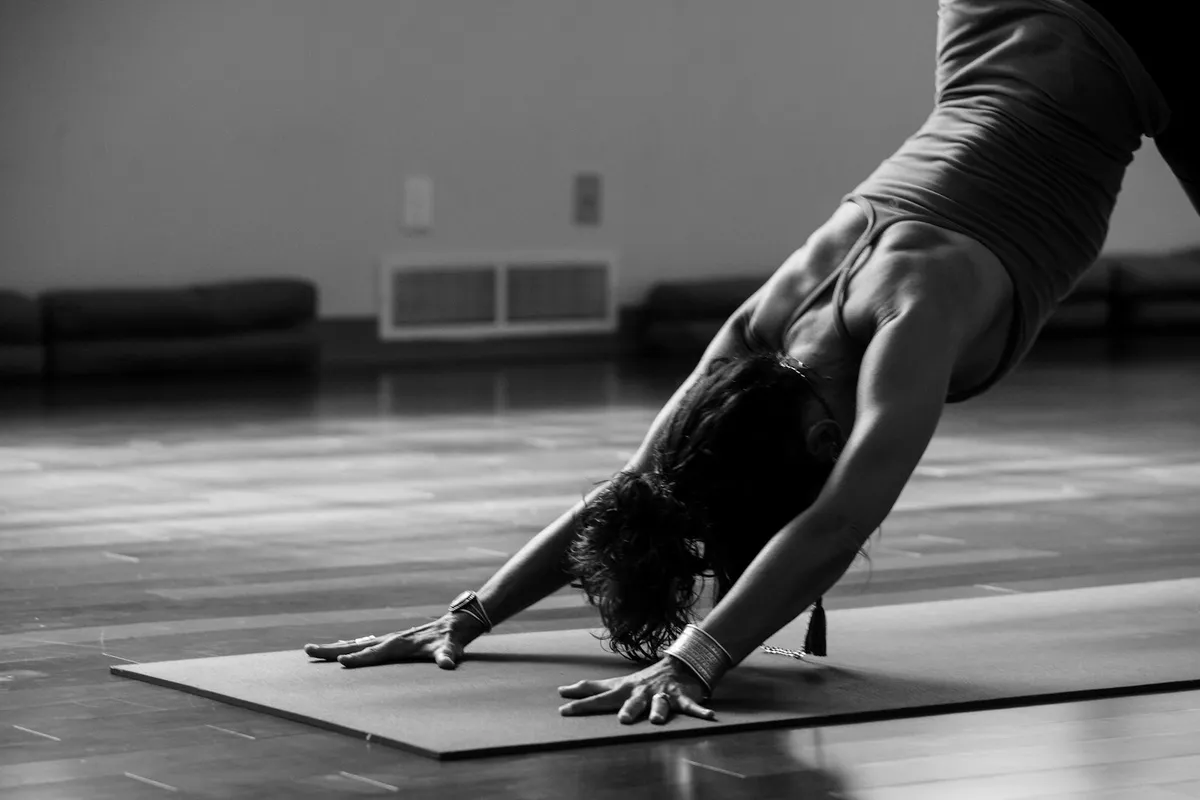
Downward-Facing Dog
An inverted V shape that lengthens the whole back line of the legs.
- Start on hands and knees, hands shoulder-width apart
- Tuck the toes under and lift the hips up and back
- Keep a generous bend in the knees at first, easing the heels down only as far as is comfortable
- Lengthen the spine and let the head hang softly between the arms
- Breathe steadily, then lower the knees to rest
Why it helps: May help lengthen tight hamstrings and calves while building light strength through the shoulders and legs.
Start Your Free Trial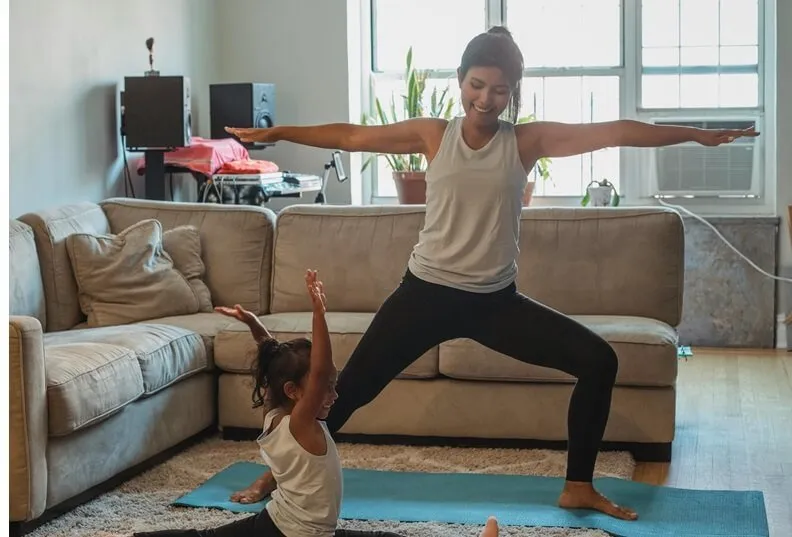
Warrior II
A grounded standing pose that builds strength through the thighs and hips.
- Step the feet wide apart and turn the right foot out
- Bend the right knee so it tracks over the middle of the foot, never past the toes
- Straighten the back leg and press the outer edge of the back foot down
- Reach the arms out at shoulder height and look past the front hand
- Hold and breathe, then straighten the front leg and repeat on the other side
Why it helps: May help build strength in the quads and glutes and encourage steadier, more confident standing.
Start Your Free Trial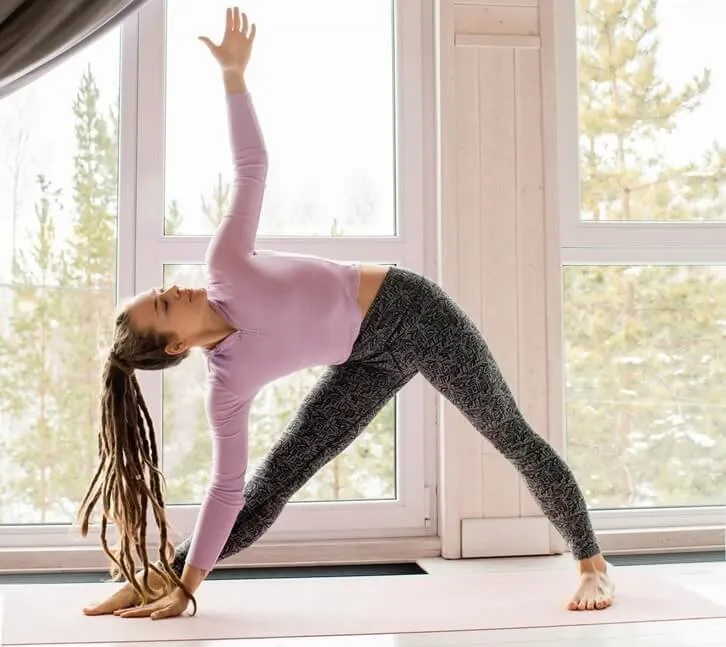
Triangle Pose
A wide-legged side stretch that opens the hamstrings and inner thighs.
- Step the feet wide and turn the right foot out
- Keep both legs long with a soft micro-bend in the front knee
- Reach forward over the front leg, then rest the right hand on the shin or a block
- Extend the left arm up and keep the chest turning open
- Breathe here, come up slowly, and repeat on the other side
Why it helps: May help lengthen the hamstrings and inner thighs while encouraging a longer, more open side body.
Start Your Free Trial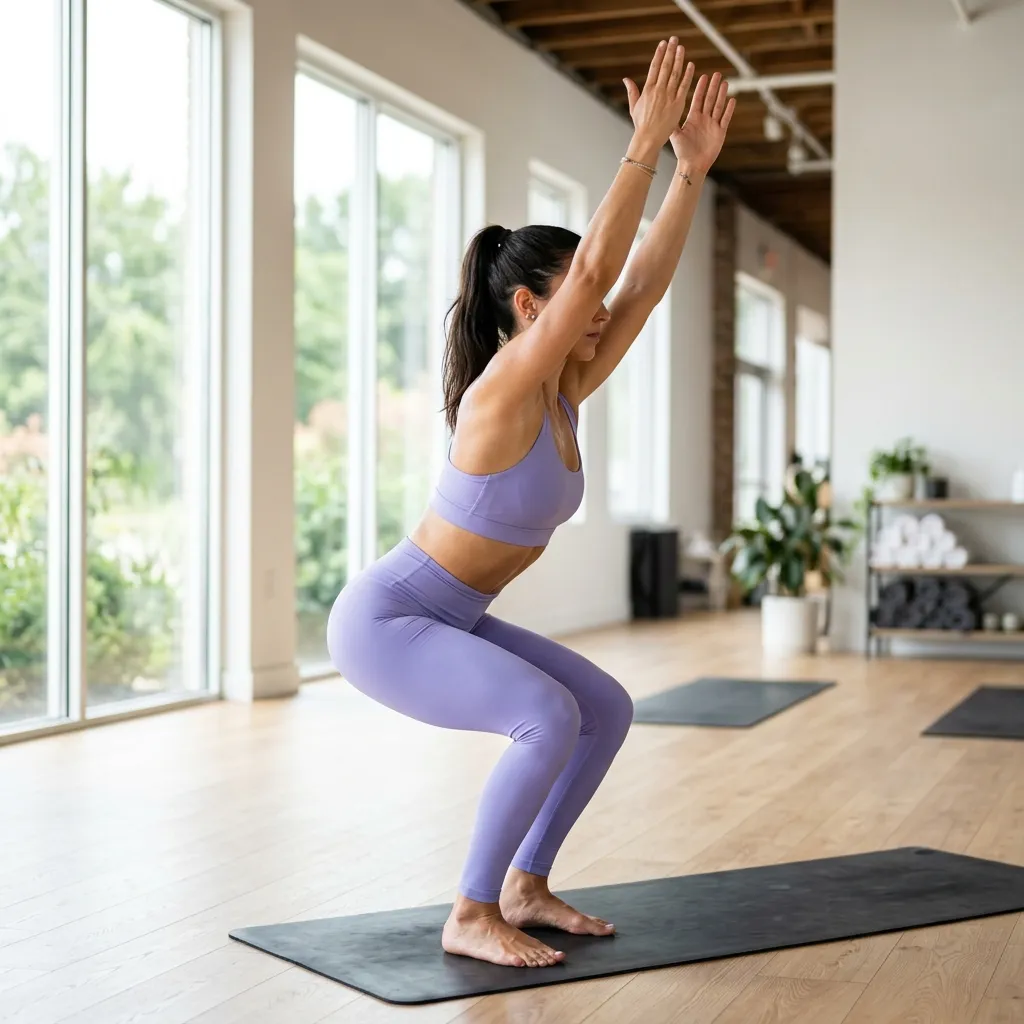
Chair Pose
A standing squat shape that switches on the whole front of the legs.
- Stand with the feet hip-width apart
- Bend the knees and sit the hips back as though lowering into a chair
- Keep the weight in the heels and the knees pointing forward, not inward
- Reach the arms forward or overhead, whichever feels comfortable
- Hold for a few breaths, then stand up slowly
Why it helps: May help build strength and endurance in the quads and glutes, which supports everyday movements like stairs and standing up.
Start Your Free Trial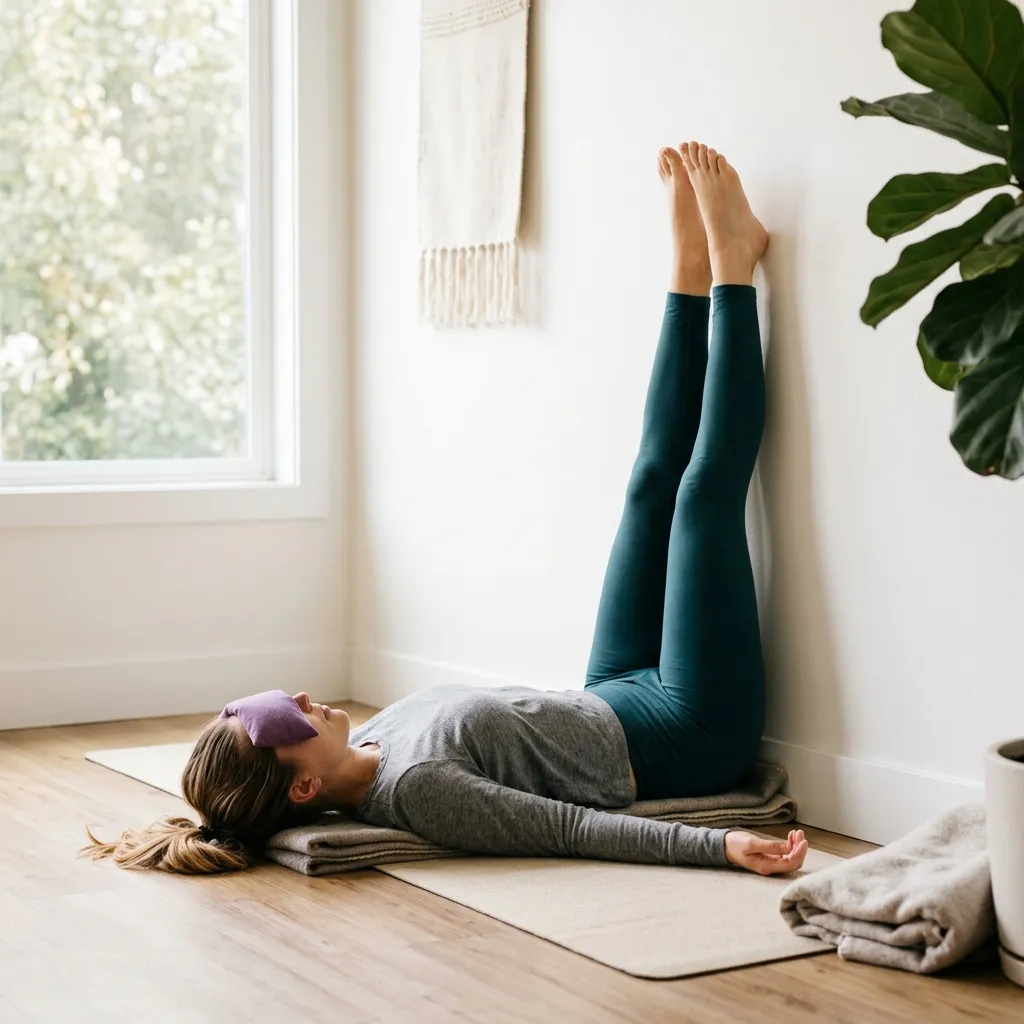
Legs-Up-the-Wall
A restful finishing pose with the legs supported vertically against a wall.
- Sit sideways beside a wall, then swing the legs up as you lie back
- Shuffle the hips close to the wall so the legs rest comfortably upright
- Place a folded blanket under the hips if that feels better
- Let the arms rest open and soften the shoulders
- Stay and breathe slowly, then bend the knees and roll to one side to come out
Why it helps: A gentle, supported rest that many people find helps heavy, tired legs feel lighter at the end of the day.
Start Your Free TrialThe Benefits ofYoga
A consistent practice offers several connected benefits that support strong, comfortable, mobile legs and overall well-being.
- Builds Leg StrengthStanding poses use your body weight to strengthen the quads, glutes, and calves.
- Improves FlexibilityRegular lengthening supports range of motion in the hamstrings, hips, and calves.
- Eases TightnessSlow, steady stretching helps the legs feel less tight after sitting or training.
- Supports BalanceSingle-leg and standing poses support steadiness and body awareness.
- Supports CirculationMindful movement and breathing support healthy blood flow through the legs.
- Enhances MobilityHip openers and lunges support freer, more comfortable everyday movement.
- Supports Rest & RenewalSupported poses and slow breath encourage relaxation after activity.
- Supports Stress ReliefCombining movement, breath, and mindfulness supports relaxation and eases everyday tension.
Common Mistakes to Avoid
A few small adjustments make leg work feel better and easier to keep up - which is where the real progress lives.
Bouncing in a stretch to get deeper
Ease in and hold steadily while you breathe. Slow, patient lengthening is kinder to the muscles and works better over time.
Locking the knees in standing poses
Keep a soft micro-bend so the muscles do the work rather than the joint. You will feel more stable and better supported.
Only ever stretching the hamstrings
Give the quads, calves, glutes, and hip flexors attention too. The legs work as a system, so balanced attention feels better.
Going straight into deep poses with cold muscles
Start with a few rounds of gentle movement. Warm muscles lengthen far more willingly than cold ones.
Holding the breath through strong standing poses
Keep the breath slow and steady. If you cannot breathe easily, ease out a little until you can.
Chasing sharp sensation to speed up progress
Aim for a comfortable stretch, never sharp. Progress comes from turning up regularly, not from forcing one session.
Practicing Yoga for Legs Safely
This is general wellness guidance rather than medical advice. Gentle leg work suits most people and sits best alongside your healthcare provider’s guidance - please check with them first if you have a knee, hip, or circulation concern, an injury, or you are pregnant.
Do
- Warm up with a few rounds of gentle movement first
- Keep a soft micro-bend in the knees rather than locking them
- Move within a comfortable range and let the breath stay easy
- Use a strap, block, or wall for support whenever it helps
- Balance strengthening poses with slow lengthening ones
- Finish with a few restful minutes, such as legs up the wall
Avoid
- Bouncing or forcing your way deeper into a stretch
- Any movement that brings a sharp or pinching sensation
- Locking or hyperextending the knees
- Letting the front knee roll inward in lunges and Warrior poses
- Comparing your range of motion with anyone else
- Practising through dizziness or unusual discomfort - rest instead
Key takeaways
- Regular, gentle yoga may help build leg strength while easing tightness through the hamstrings, quads, and calves. Results vary from person to person.
- A balanced leg practice pairs strengthening poses like Warrior II and Chair with slow lengthening poses like Downward-Facing Dog.
- Single-leg and standing poses support steadier balance and better ankle and knee awareness.
- Legs-Up-the-Wall is a simple way to help heavy, tired legs feel lighter at the end of the day.
- Little and often beats occasional long sessions, and yoga works best alongside your healthcare provider’s guidance.
Explore Yoga for Related Areas

Yoga for Anxiety & Stress
Calming, beginner-friendly yoga and breathwork that may help ease anxiety and everyday stress. Simple poses plus live, expert-guided classes.
Yoga for Back
Ease back tension and stiffness with gentle, beginner-friendly yoga. Simple poses, supportive core work, and live online classes with certified instructors.
Breathing Exercises for Relaxation
Five simple breathing exercises that may help you feel calmer and more settled. Step-by-step guidance and live, expert-led classes for beginners.
Learn More from Our Journal
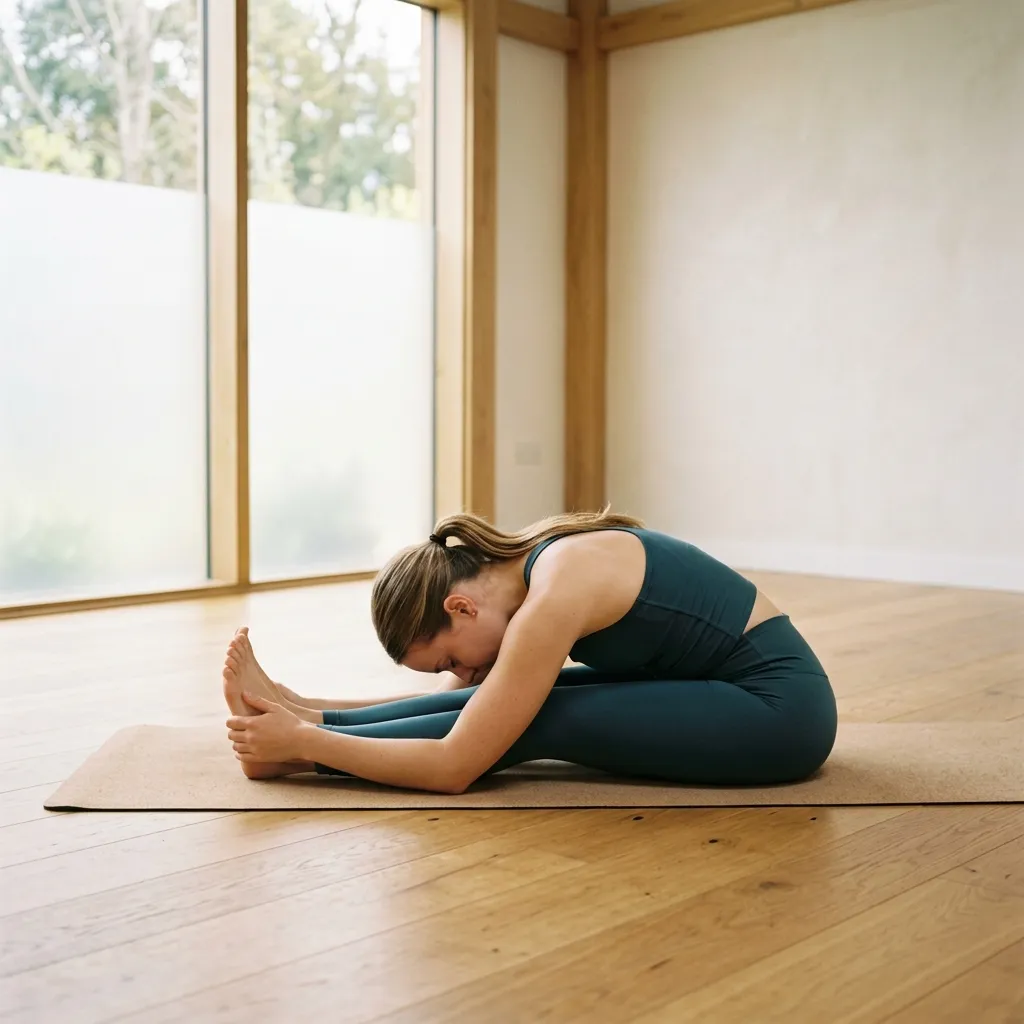
How Long Does It Take to Get Flexible?
A realistic look at how flexibility changes with regular yoga, why consistency matters more than intensity, and what to expect week by week.
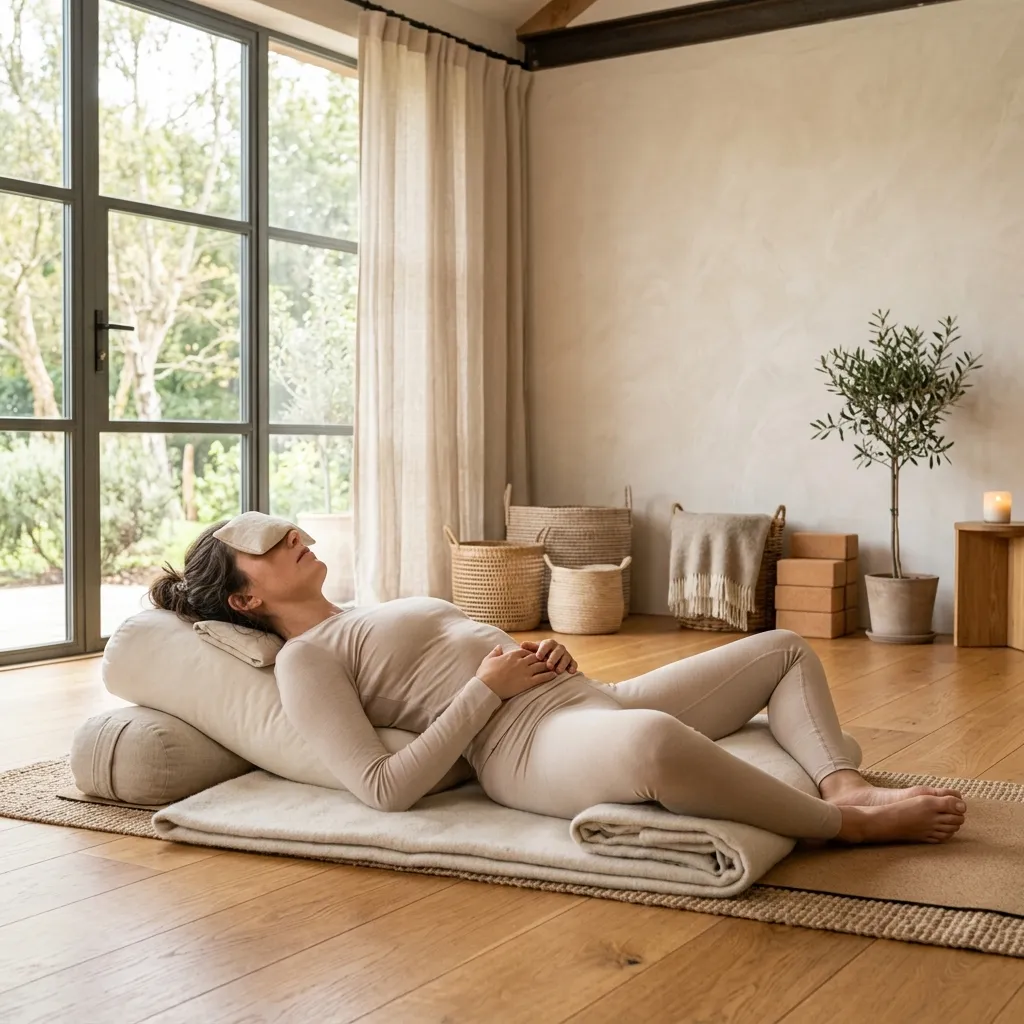
Can Yoga Help You Sleep Better?
Why a slow evening practice may help you wind down, which poses suit bedtime, and the ones to save for daytime. A practical guide you can try tonight.
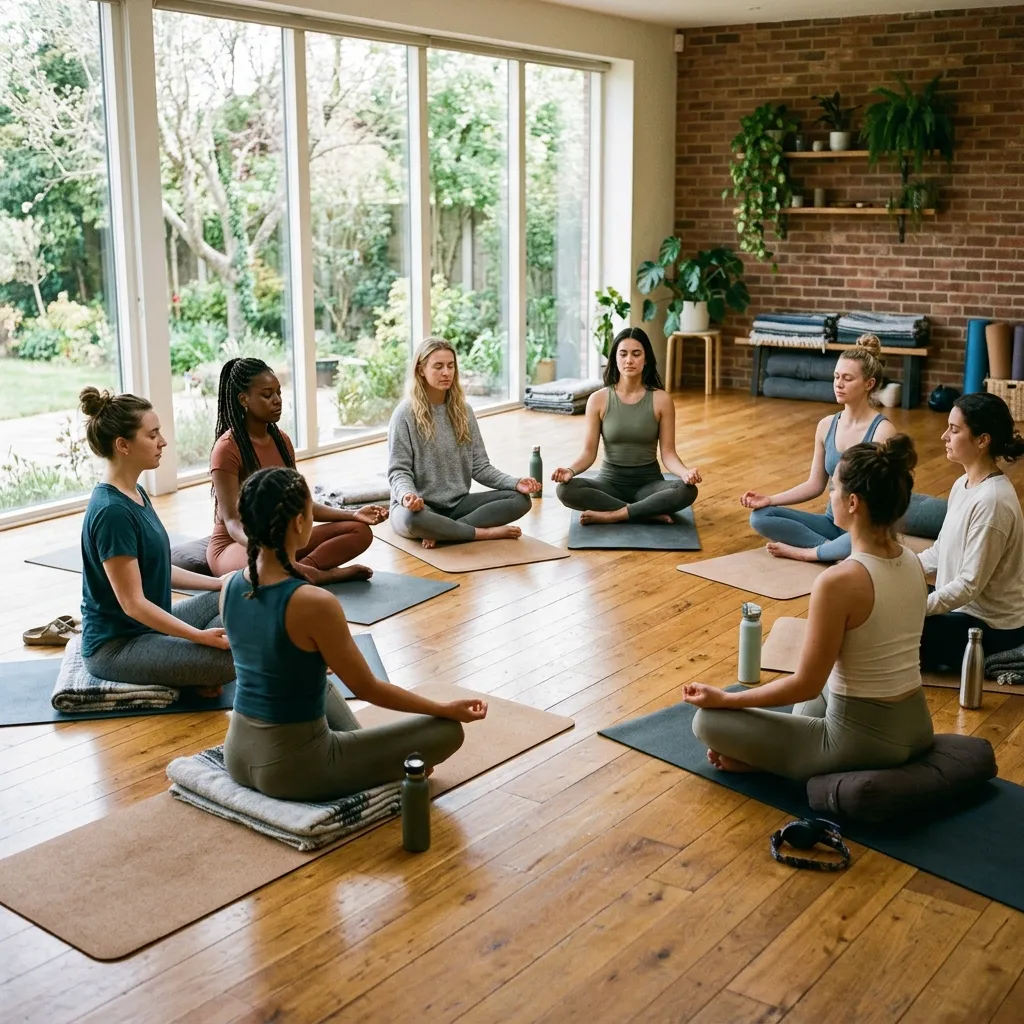
Meditation Techniques for Falling Asleep
Four meditation techniques you can do in bed, why they suit a busy mind at night, and how to build a wind-down that actually sticks.
Questions About Yoga for Legs
Can yoga help strengthen my legs?
Yes. Standing poses such as Warrior II, Triangle, and Chair use your own body weight to work the quads, glutes, and calves. A regular practice may help build steady strength without any equipment. Results vary from person to person.
Which yoga poses are best for tight hamstrings?
Downward-Facing Dog, a standing forward fold, and a seated forward bend all lengthen the back of the legs. Keep a soft bend in the knees and ease in slowly rather than forcing the stretch.
How often should I practise for my legs?
A short session on most days tends to help more than one long weekly session. Even 15 to 20 minutes of leg-focused work three or four times a week can make a difference over time.
My legs are very tight and I cannot touch my toes. Can I still start?
Absolutely. Flexibility is what you build, not something you need beforehand. Our instructors offer a modification for every pose, and props such as straps and blocks make each shape accessible from day one.
Is yoga enough for leg strength, or do I need weights?
Bodyweight yoga builds useful, functional leg strength and better control. If you have specific strength goals, yoga sits well alongside other training - your instructor can help you fit the two together.
What helps tired, heavy legs after a long day?
Legs-Up-the-Wall is a favourite. Resting with the legs supported for a few minutes, with slow breathing, helps many people feel lighter and more comfortable.
Can yoga help with balance?
Yes. Single-leg and standing poses ask the muscles around the ankles, knees, and hips to work together, which may help you feel steadier over time.
Should I check with anyone before starting?
If you have a knee, hip, or circulation concern, an injury, or you are pregnant, please check with your healthcare provider first so your teacher can plan with care.
Sources & further reading
- Yoga: What You Need To Know — National Center for Complementary and Integrative Health (NCCIH)
- The importance of stretching — Harvard Health Publishing
- Stretching: Focus on flexibility — Mayo Clinic
- How to improve your strength and flexibility — NHS
- Physical Activity Guidelines for Americans — U.S. Department of Health & Human Services
Ready to Feel Stronger on Your Feet?
Book a friendly, no-pressure consultation with YogShri. We will get to know your goals and how your legs feel day to day, then help you find a practice that fits - and grows with you.