
Yoga When Your Knees Feel Sensitive
Modify, Support, Build
Sensitive knees simply change how you set a pose up. Here is what tends to work, and what to adjust.
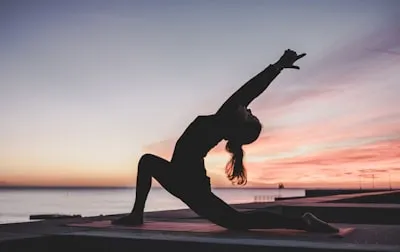
Kneeling makes you wince. Deep squats are off the menu. And you have quietly stopped going to classes because you are tired of being the person modifying everything at the back.
That is a shame, because the muscles around the knee respond well to exactly the kind of controlled, moderate-load work yoga is good at. Most poses simply need a different setup. Our yoga for knee relaxation classes are designed around that.
Support Beats Depth, Every Time
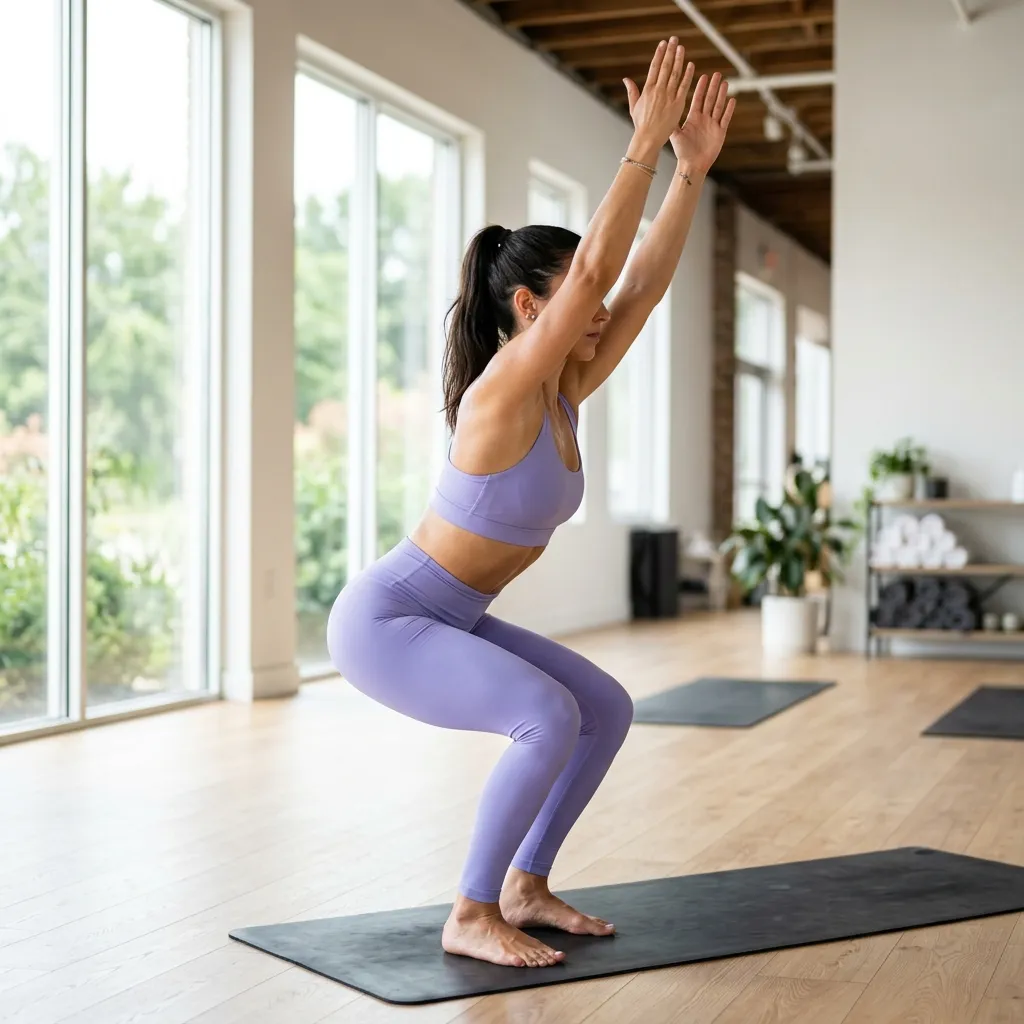
The single biggest change you can make is to stop measuring poses by how deep they go. A lunge with the front knee stacked over the ankle and only a small bend builds more useful strength than a deep one that lets the knee drift inward. Same with chair pose: sit back less, keep the weight through your heels, and hold for longer. For knees, shallow and well-aligned is simply the better version.
Before You Begin
This is general wellness guidance rather than medical advice. If your knee swells, locks, gives way, or hurts sharply, please speak with a healthcare professional before you practise. A gentle practice works best alongside their guidance.
Setups That Tend to Feel Good
Everything here can be dialled up or down. If a shape does not feel right today, leave it - knees are honest, and they are worth listening to.
- Chair pose, shallow - feet hip-width, weight in the heels, only as low as feels easy. Builds the thigh muscles that support the joint.
- Bridge - on your back, so there is no load through the knees at all, and good work for the back of the legs.
- Reclined leg stretch with a strap - hamstring length without asking the knee to hold you up.
- Warrior II with a short stance - front knee tracking over the middle of the foot, back leg strong. Strength through the hip and thigh.
- Legs up the wall - a quiet, unloaded finish that lets everything settle.
Small Adjustments Worth Making
Fold a blanket under the knees for anything kneeling, or take the pose standing instead. Turn the back foot out a little more in lunges so the hip is not fighting the knee. In seated cross-legged shapes, sit up on a cushion so the knees rest lower than the hips. And try a rolled towel behind the knee in deeper bends - many people find it makes a real difference.
Why Strength Matters Here
Building the muscles above and around the joint tends to matter more than stretching alone. Stronger quadriceps, glutes and calves give the knee more support through everyday movement like stairs and getting out of a chair. Yoga is quietly good at this because the holds are long and the loads are moderate. Go steadily, and expect this to be a matter of weeks rather than days. Results vary. If your legs generally feel weak, yoga for legs is a good companion.
Helpful further reading
- Knee pain — NHS
- Yoga: What you need to know — U.S. National Center for Complementary and Integrative Health
- Physical activity basics — CDC
About the author
The YogShri editorial team writes warm, plain-spoken, evidence-aware yoga and wellness guides. We teach mindful movement, breathwork and relaxation for everyday well-being. We are not medical professionals, and our articles are general education, not medical advice.
Practise Without Wincing
Join YogShri for live classes where instructors offer knee-friendly options as standard.
- Knee-friendly options in every class
- Live guidance on your alignment
- No kneeling required
No commitment. Cancel anytime.
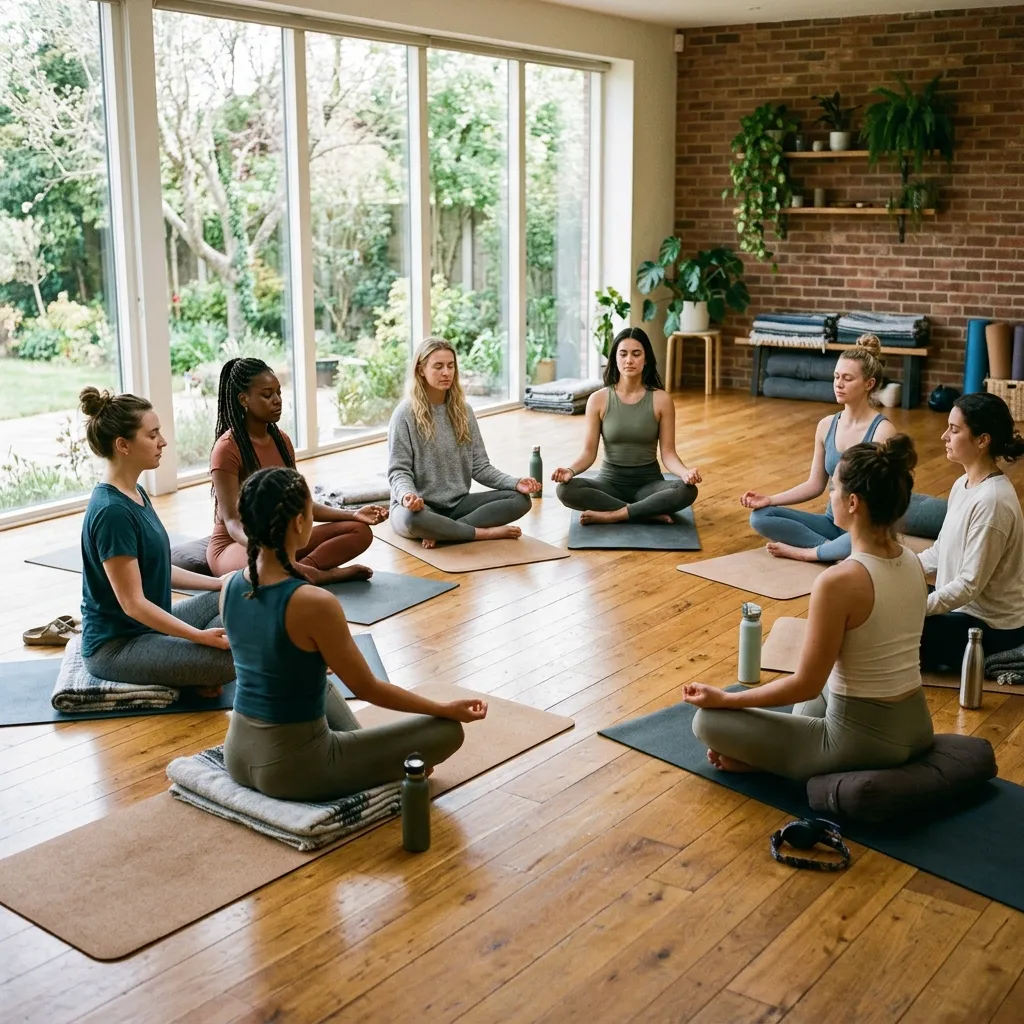
Explore Our Yoga Programs
Yoga for Anxiety & Stress
Calming, beginner-friendly yoga and breathwork that may help ease anxiety and everyday stress. Simple poses plus live, expert-guided classes.
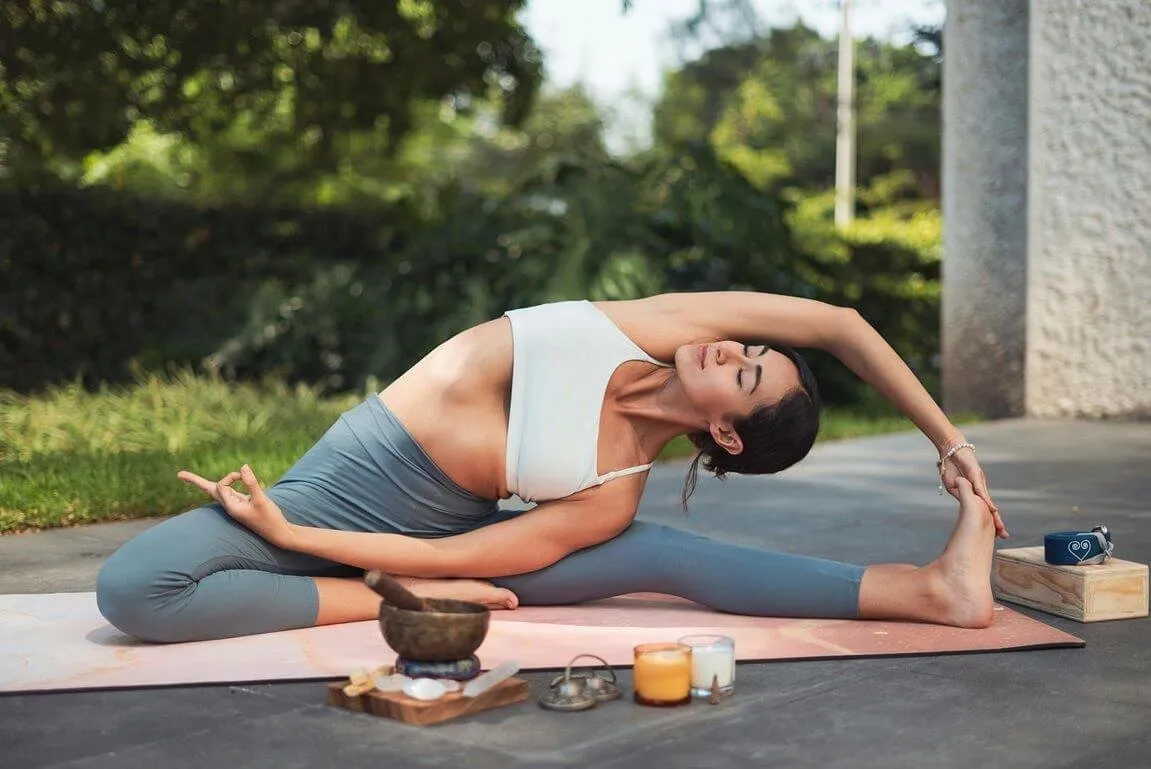
Yoga for Back
Ease back tension and stiffness with gentle, beginner-friendly yoga. Simple poses, supportive core work, and live online classes with certified instructors.
Breathing Exercises for Relaxation
Five simple breathing exercises that may help you feel calmer and more settled. Step-by-step guidance and live, expert-led classes for beginners.