
Is Hatha Yoga Good for Beginners?
A Steady Place to Learn
The slower pace makes Hatha one of the easiest styles to learn properly. Here is what a first class involves.
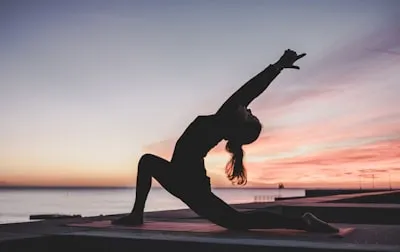
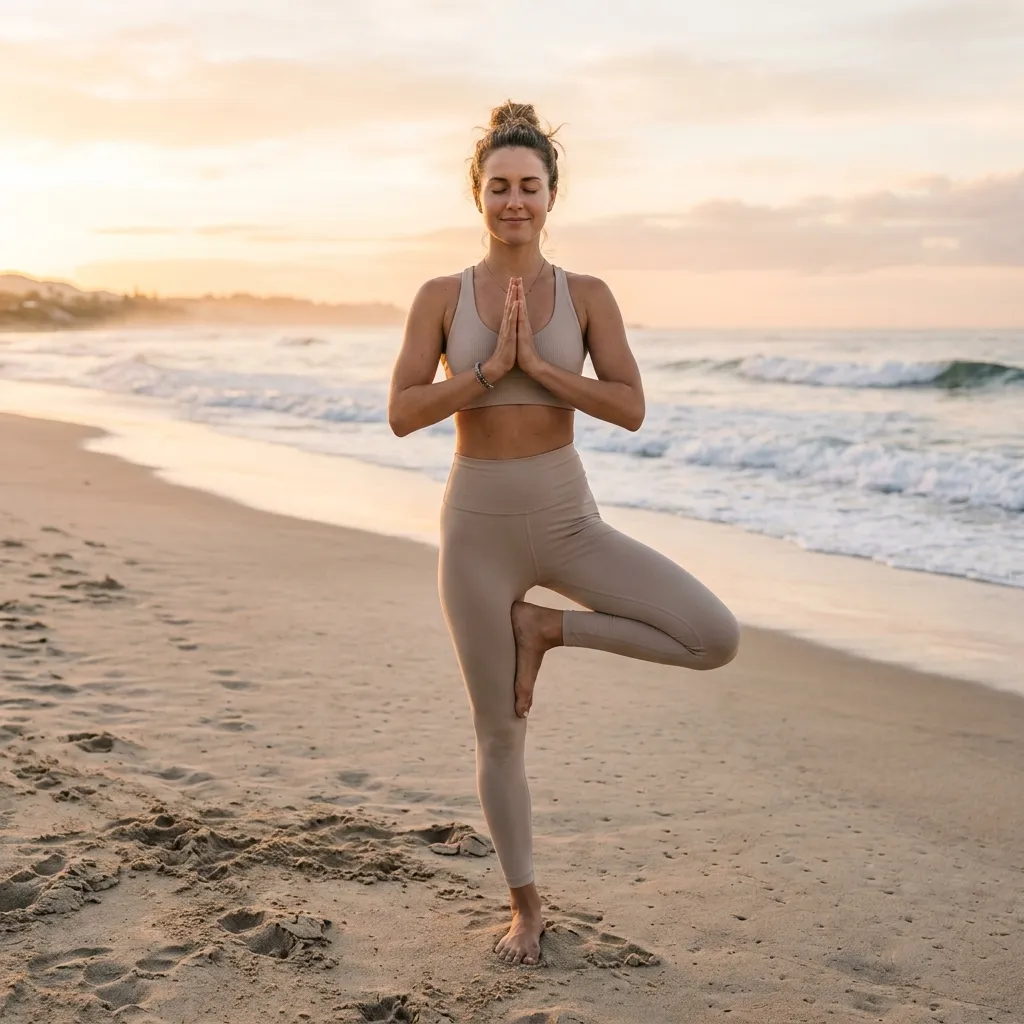
Short answer: yes, and it is probably the style we would point most people toward first. The reason has less to do with difficulty than with pace.
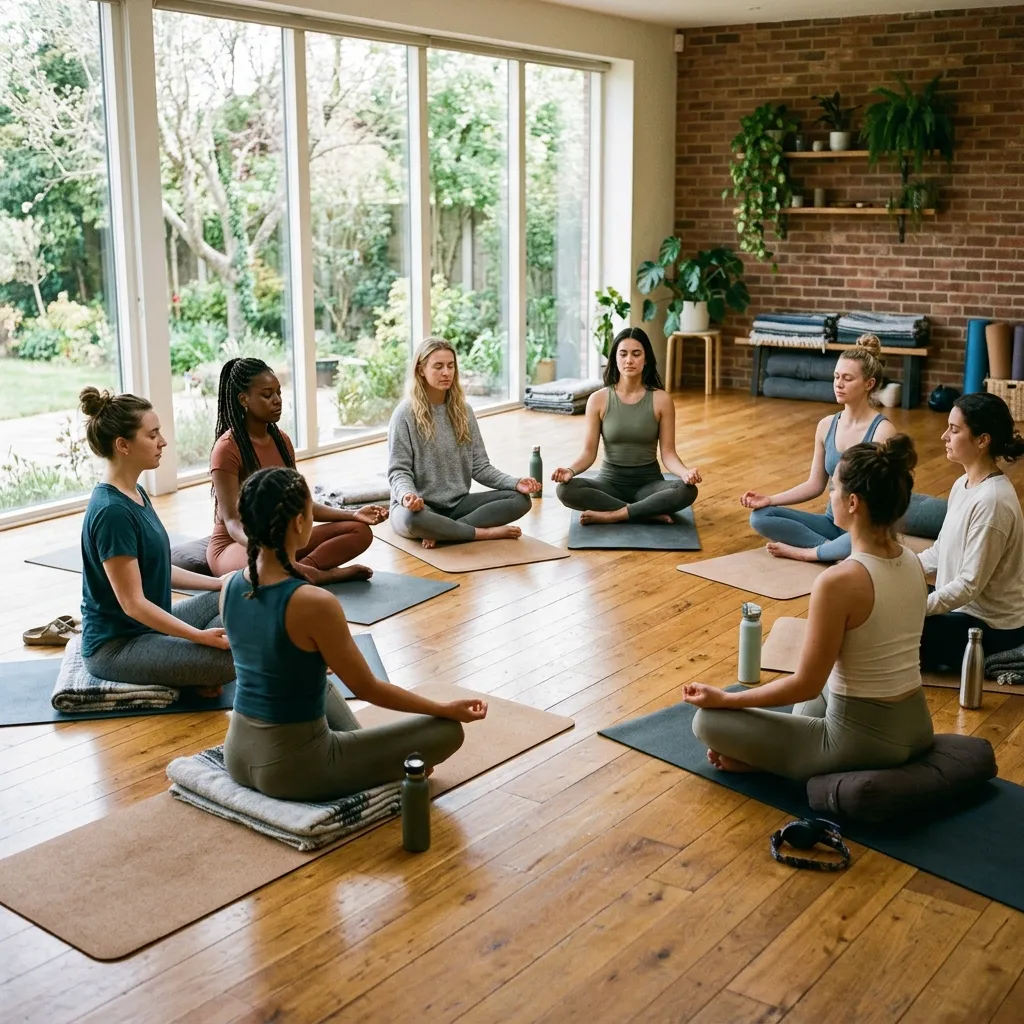
In a Hatha class you hold a pose for several breaths and then pause before the next one. That pause is where the learning happens. Our Hatha yoga classes are built around it.
Why the Pauses Matter So Much
When you hold a shape for thirty or forty seconds, three useful things happen. You have time to notice what your own body is doing - which hip is tighter, where you are gripping. Your instructor has time to see your alignment and give you a cue that actually applies to you. And you have time to act on that cue while you are still in the pose, rather than three shapes later. In a fast class all three of those get compressed into a breath or two.
A Gentle Reminder
This is general wellness guidance rather than medical advice. If you are pregnant, managing a health condition, or new to exercise, please check with your healthcare provider first, and mention it to your teacher before class so they can offer suitable options.
What a First Hatha Class Feels Like
The shape of it is fairly consistent wherever you practise, which is another reason it suits a beginner - you know roughly what is coming.
- A few settling minutes - sitting or lying down, letting the breath slow before anything else starts.
- Gentle warming movement for the spine, hips, and shoulders.
- Standing poses held for several breaths, with pauses and instruction between them.
- Seated or lying poses, usually held longer, working on length rather than strength.
- A proper rest at the end - five or ten quiet minutes that are genuinely part of the class.
The Thing People Get Wrong About It
Slower does not mean easier. Holding Warrior II for forty seconds is demanding in a way that passing through it in one breath simply is not, and most people are surprised by how much their legs have to say about it. Long holds build real strength through the thighs, glutes, and core. If you come to Hatha expecting a gentle stretch session, the first class tends to be an education.
Should You Start Here or With a Flow?
If you want to understand the poses before you link them together, start with Hatha - it makes a flowing class much easier to follow later, because you already know the shapes. If you would rather keep moving and learn as you go, a beginner-level flow works too. Neither is wrong, and plenty of people end up doing both. Two or three sessions a week is a good starting rhythm. Results vary. If you are weighing the two up, Hatha vs Vinyasa goes through the differences properly.
Helpful further reading
- A guide to yoga — NHS
- Yoga: What you need to know — U.S. National Center for Complementary and Integrative Health
- Physical activity basics — CDC
About the author
The YogShri editorial team writes warm, plain-spoken, evidence-aware yoga and wellness guides. We teach mindful movement, breathwork and relaxation for everyday well-being. We are not medical professionals, and our articles are general education, not medical advice.
Learn the Foundations Live
Join YogShri for live Hatha classes where instructors guide your alignment through every hold.
- Beginner-friendly pacing
- Live guidance on your alignment
- Props and options in every pose
No commitment. Cancel anytime.
Explore Our Yoga Programs

Yoga for Anxiety & Stress
Calming, beginner-friendly yoga and breathwork that may help ease anxiety and everyday stress. Simple poses plus live, expert-guided classes.
Yoga for Back
Ease back tension and stiffness with gentle, beginner-friendly yoga. Simple poses, supportive core work, and live online classes with certified instructors.
Breathing Exercises for Relaxation
Five simple breathing exercises that may help you feel calmer and more settled. Step-by-step guidance and live, expert-led classes for beginners.