
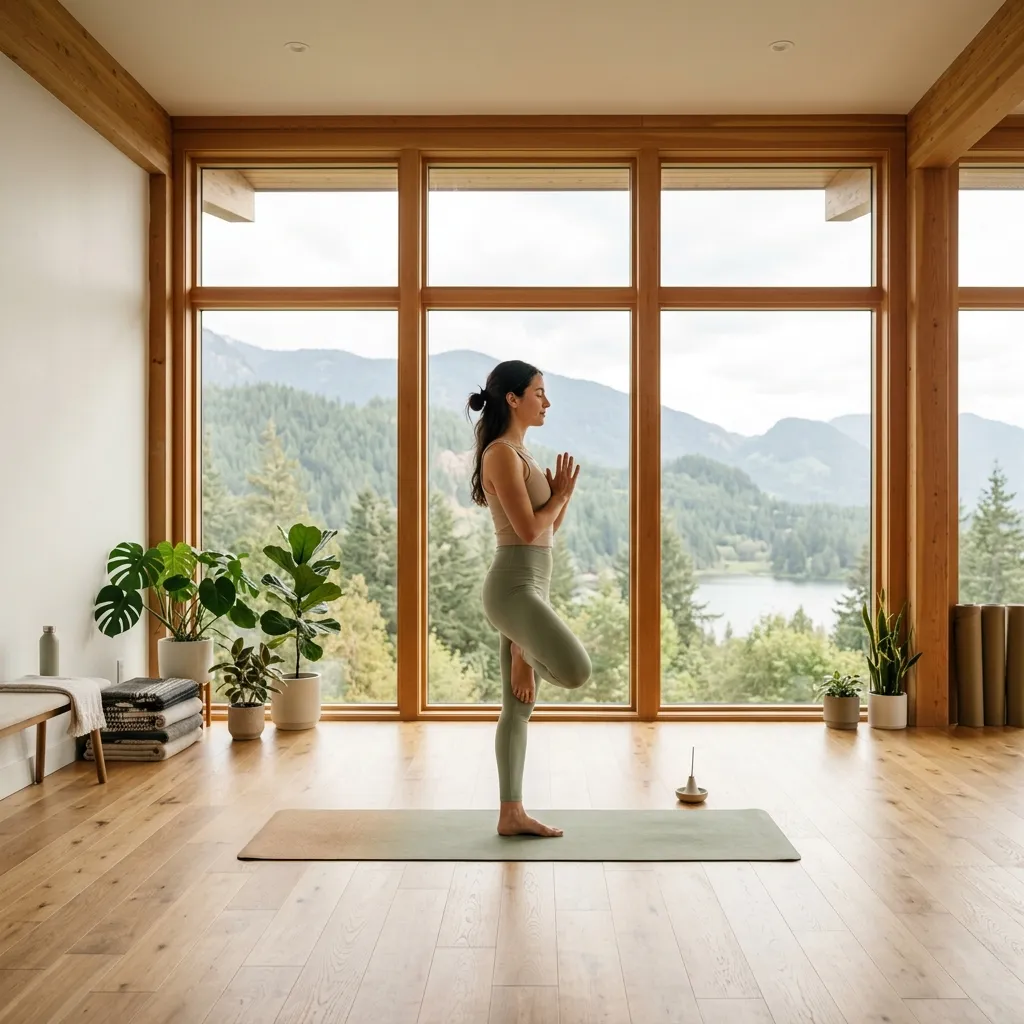
Hatha Yoga
Live, expert-guided Hatha yoga with slower pacing and longer holds to build alignment, steady breathing, and confidence.
What Is Hatha Yoga?
Hatha yoga is a slower style of held postures and steady breathing. At YogShri, live expert-guided Hatha classes may help build strength, flexibility, and body awareness. Results vary.
- Longer Holds
- Poses held for several breaths build steady strength and stability
- Clear Alignment
- Slower pacing gives you time to set each pose up properly
- Breath With Movement
- Simple breathing practices run alongside the postures
- Beginner Friendly
- Foundational poses taught step by step, with props offered throughout
Why Students Choose YogShri
Our live Hatha classes give you time and attention from certified instructors who can see your alignment and adjust it while you are still in the pose.
Small groups of 10 to 15 for real focus
You are never just a tile on a screen. Smaller classes mean your instructor can see how you are holding a pose and offer a cue that actually applies to you.
100+ live classes, morning to night
Join a session that fits your day - early morning, lunch break, or evening. Every class is live and interactive, never pre-recorded.
Real-time alignment cues in every hold
Longer holds give your instructor time to guide the details, plus options with blocks, straps, or a chair so each pose suits your body.
A practice shaped around you
We start with a one-on-one chat about your experience and what you want from a practice, then build a routine that progresses at your pace.
Who Can Benefit from Hatha Yoga?
Hatha suits anyone who would rather understand a pose than rush through it. Our instructors meet you where you are and build from there.
Complete Beginners
No experience needed. The slower pace leaves room for the instructor to explain each pose and for you to ask questions.
Anyone Who Finds Fast Classes Hard to Follow
If flowing sequences go by before you have found the shape, held poses give you time to arrive properly in each one.
Desk Workers
Long hours seated shorten the hips and chest. Steady standing and opening poses help counter the effects of the working day.
Older Adults
Longer holds with a wall or chair nearby build strength and balance in a controlled, unhurried way.
Anyone Returning to Movement
If it has been a while, Hatha is a kind way back in. It rebuilds strength and range of motion without a scramble.
People Wanting a Calmer Practice
The pauses between poses and the emphasis on breathing make this a settling practice as well as a physical one.
Foundational Hatha Yoga Poses
These five poses show what a Hatha class is built from - standing foundation, balance, a strong hold, a seated fold, and a proper rest. Hold each for 5 to 8 slow breaths, pause between them, and keep the breath easy throughout.
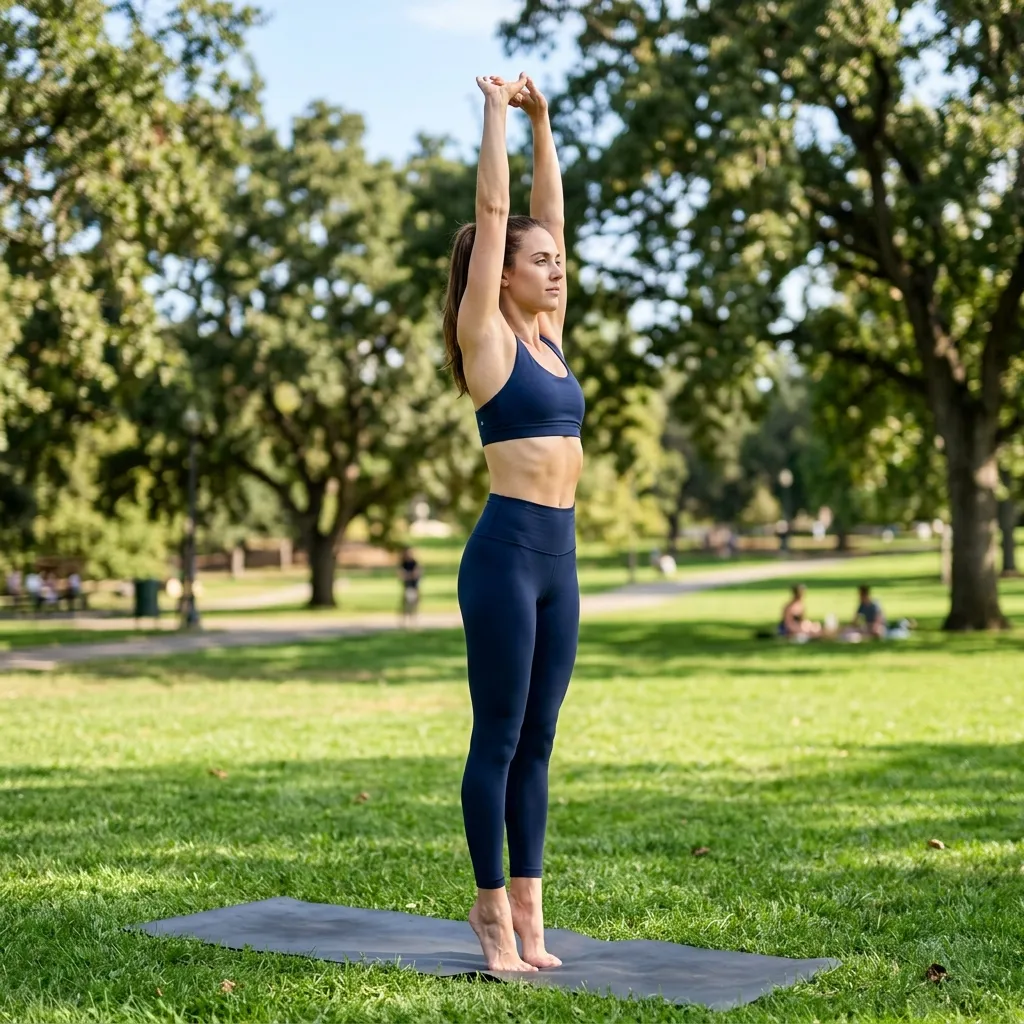
Mountain Pose
The starting point for every standing pose, and far more active than it looks.
- Stand with the feet hip-width apart and the weight even across both soles
- Let the arms hang beside you with the palms turned slightly forward
- Draw the lower ribs down gently so the lower back lengthens
- Release the shoulders away from the ears and let the neck be long
- Breathe slowly and notice where your weight sits, adjusting until it feels even
Why it helps: May help build posture awareness and a sense of steady, even standing that carries into every other pose.
Start Your Free Trial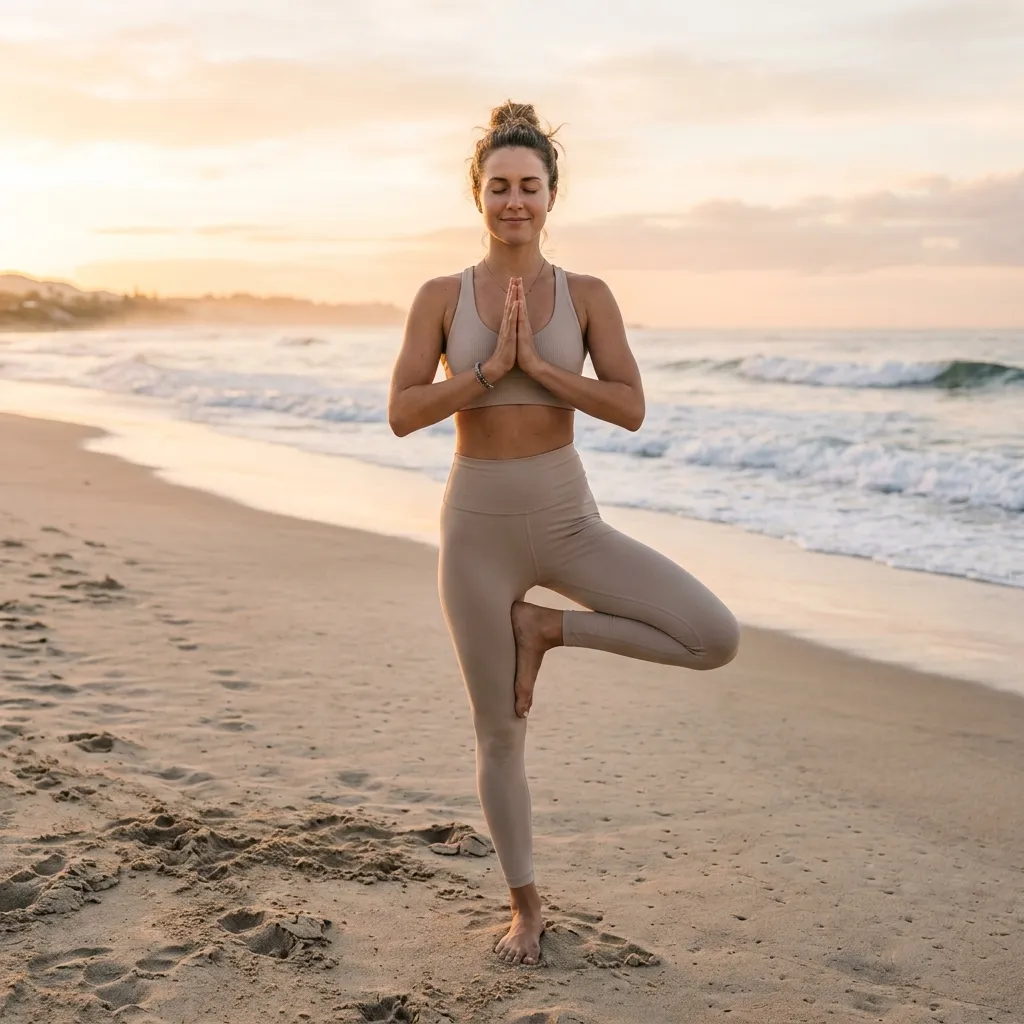
Tree Pose
A one-legged balance held long enough to genuinely test your steadiness.
- Stand near a wall and rest a hand on it for as long as you need
- Shift your weight into the left foot and place the right foot on the inner left calf or thigh, avoiding the knee
- Press the standing foot down and find a steady point to look at
- Bring the hands to the chest, or overhead if you feel settled
- Step down slowly and repeat on the other side
Why it helps: May help improve balance, ankle and hip stability, and concentration - all of which support confidence in everyday movement.
Start Your Free Trial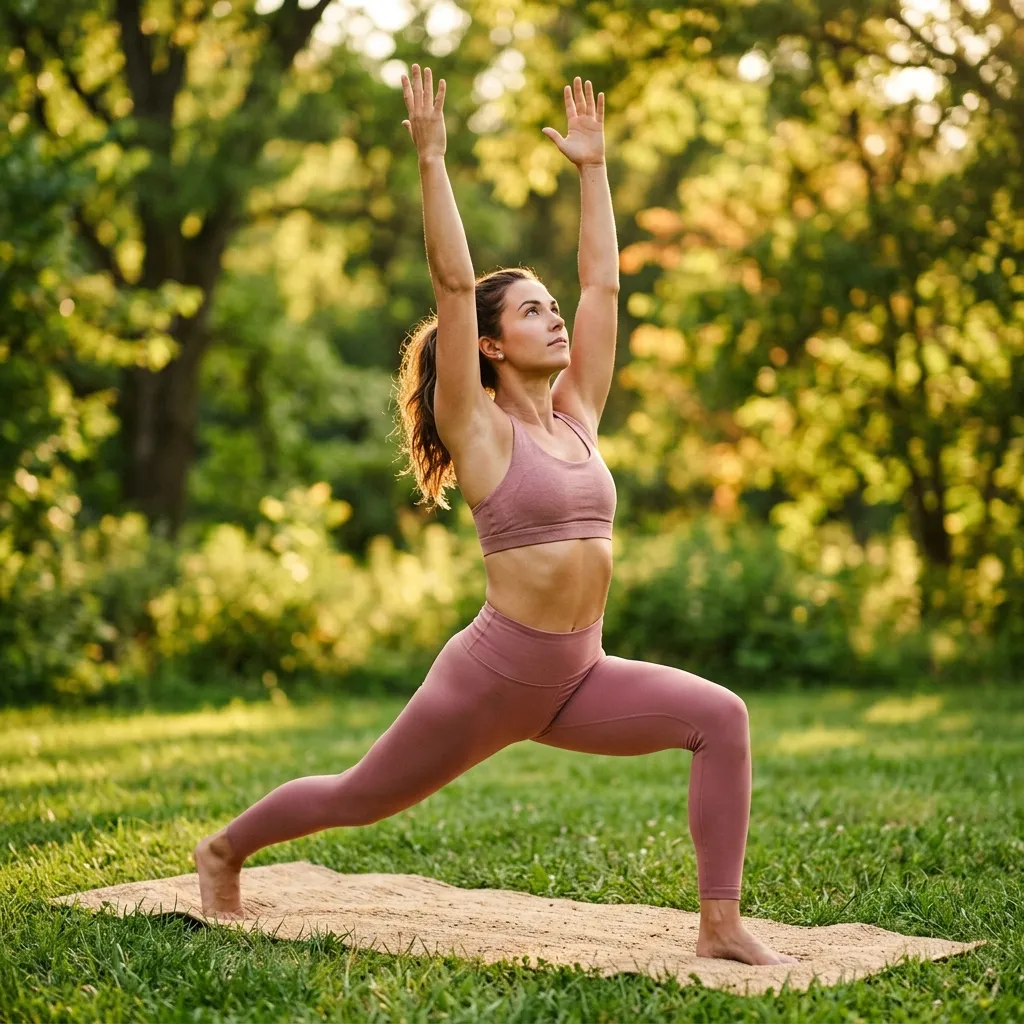
Warrior I
A strong standing hold that works the legs while opening the front of the back hip.
- Step the left foot back and turn it out to about forty-five degrees
- Bend the right knee so it stacks over the ankle, keeping it tracking over the middle of the foot
- Square the hips and chest forward as much as is comfortable
- Reach the arms up alongside the ears, or keep the hands on the hips
- Come out on an exhale and repeat on the other side
Why it helps: May help build strength through the thighs and glutes while lengthening the hip flexors that shorten from sitting.
Start Your Free Trial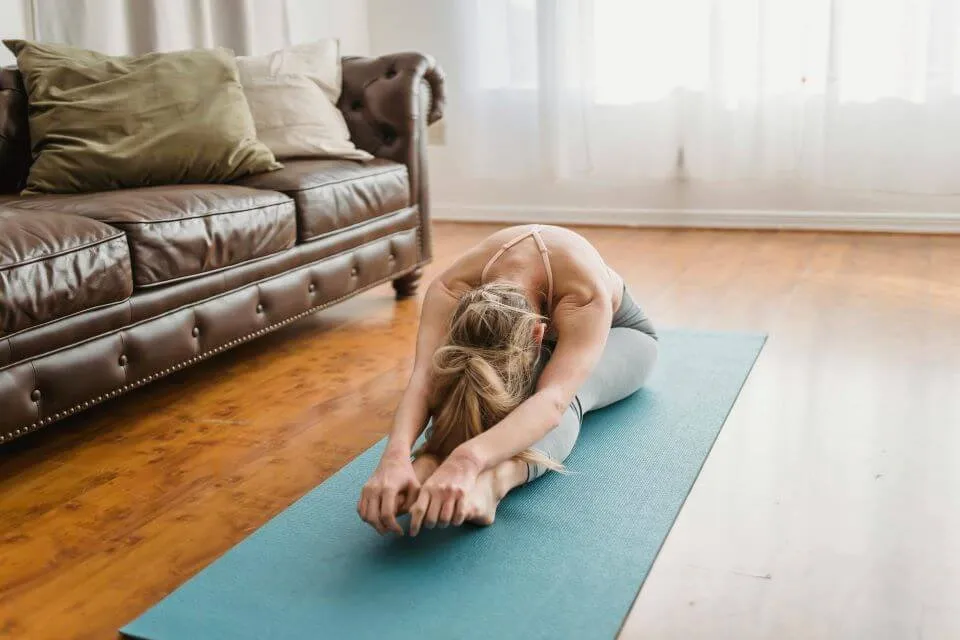
Seated Forward Bend
A long, quiet seated fold that lengthens the whole back of the body.
- Sit on a folded blanket with the legs extended and the knees softly bent
- Loop a strap around the feet if your hands do not reach comfortably
- Lengthen the spine upward first, then fold from the hips rather than rounding the back
- Let the head and neck relax and keep the breath slow and even
- Come up gradually on an inhale
Why it helps: May help lengthen the hamstrings and lower back, and the long, still hold encourages the whole system to settle.
Start Your Free Trial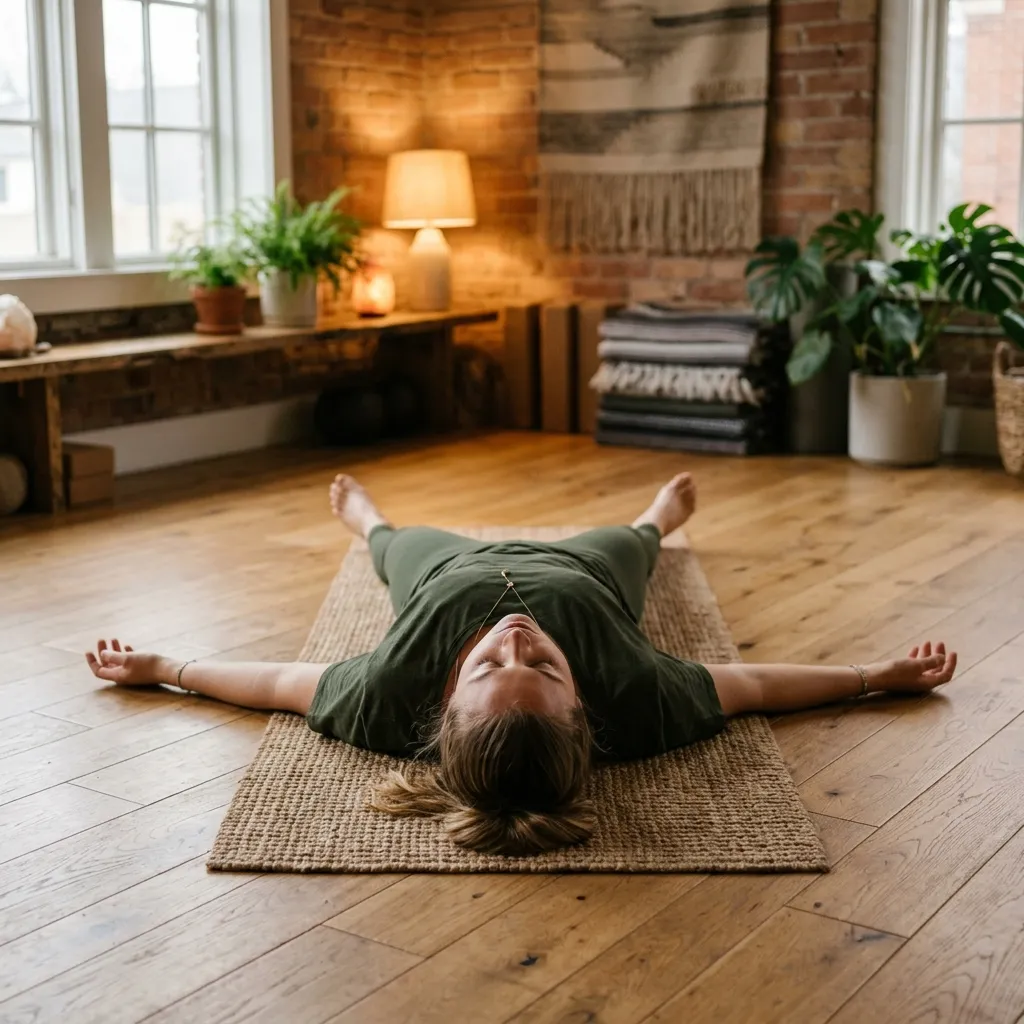
Corpse Pose
The closing rest of a Hatha class, and a genuine part of the practice.
- Lie on your back with the legs a comfortable distance apart
- Place a cushion under the knees if the lower back prefers it, and cover yourself for warmth
- Let the arms rest away from the body with the palms turned up
- Close the eyes and let the breath find its own rhythm without steering it
- Come back slowly, moving the fingers and toes before you sit up
Why it helps: May help the body absorb the effects of the practice and encourage deep relaxation before you return to your day.
Start Your Free TrialThe Benefits ofHatha Yoga
A consistent Hatha practice offers several connected benefits that support easier movement and general well-being.
- Improves FlexibilityLonger holds give muscles time to lengthen gradually and willingly.
- Builds StrengthHolding a pose for several breaths asks real work of the legs and core.
- Steadies the BreathSimple breathwork alongside the postures encourages slower, easier breathing.
- Supports BalanceHeld standing poses build steadiness through the ankles, hips, and core.
- Enhances MobilityRegular practice supports comfortable range of motion in the hips and spine.
- Sharpens Body AwarenessSlower pacing helps you notice how you are standing, sitting, and moving.
- Supports Rest & RenewalPauses between poses and a proper final rest encourage genuine relaxation.
- Supports Stress ReliefCombining movement, breath, and stillness supports relaxation and eases everyday tension.
Common Mistakes to Avoid
Hatha rewards attention more than effort. These are the habits that most often get in the way.
Treating the slower pace as an easy option
Longer holds ask a great deal of the legs and core. Give each pose your full attention and you will feel the work.
Holding the breath during a long hold
Keep the breath slow and even. If you cannot breathe comfortably in a pose, ease back until you can.
Chasing the deepest version of a shape
Aim for good alignment you can sustain and breathe into. Depth without control does far less for you than a well-held pose.
Skipping the props
Blocks, straps, and a chair are how a pose is made to work for your body. Experienced practitioners use them constantly.
Leaving before the final rest
Savasana is part of the class rather than an optional extra. Give it the full few minutes and you will feel the difference.
Practising only when you feel motivated
Two or three short sessions a week, kept up over months, do far more than an occasional long and ambitious one.
Practising Hatha Yoga Safely
This is general wellness guidance rather than medical advice. Hatha yoga suits most people and works best alongside your healthcare provider's guidance - please check with them first if you have a joint or muscle injury, a diagnosed condition, high or low blood pressure, or you are pregnant.
Do
- Warm up with gentle movement before longer holds
- Keep the breath slow and even in every pose
- Use blocks, a strap, a chair, or a wall as needed
- Give both sides equal time and attention
- Come out of a pose early if your alignment starts to go
- Finish with a few quiet minutes of rest
Avoid
- Forcing or pushing into any stretch
- Any sharp, burning, or pinching sensation
- Holding your breath or clenching the jaw
- Locking or hyperextending the knees and elbows
- Comparing your range of motion with anyone else
- Practising into an area that is injured or newly sore
Key takeaways
- Hatha yoga holds postures for several breaths with pauses between them, which makes it one of the most approachable styles to learn properly. Results vary from person to person.
- The slower pace is what makes it beginner-friendly - there is time to set each pose up and to be corrected while you are still in it.
- Longer holds build genuine strength and stability, particularly through the legs and core, alongside flexibility.
- Props are part of the method. Blocks, a strap, a chair, or a wall make every pose accessible from your first class.
- Two or three sessions a week, kept up consistently, does more than occasional long practice.
Explore Other Yoga Styles & Programs
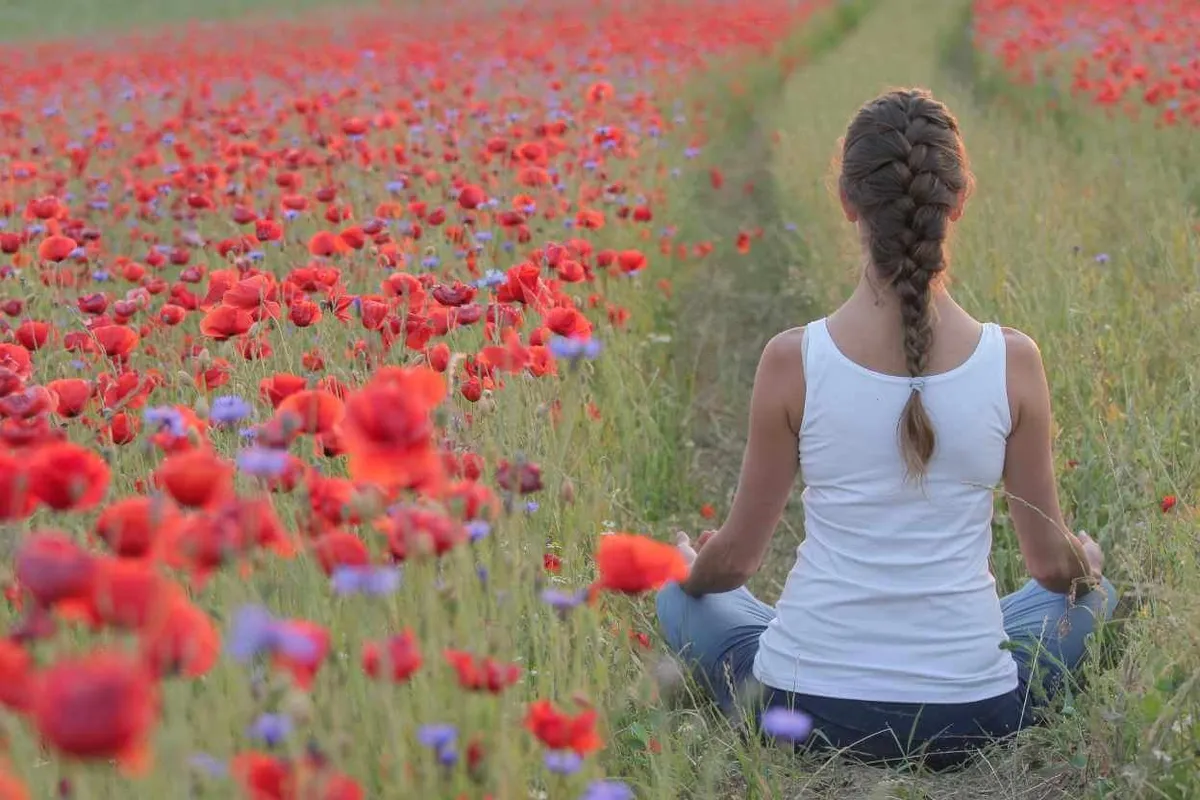
Yoga for Anxiety & Stress
Calming, beginner-friendly yoga and breathwork that may help ease anxiety and everyday stress. Simple poses plus live, expert-guided classes.
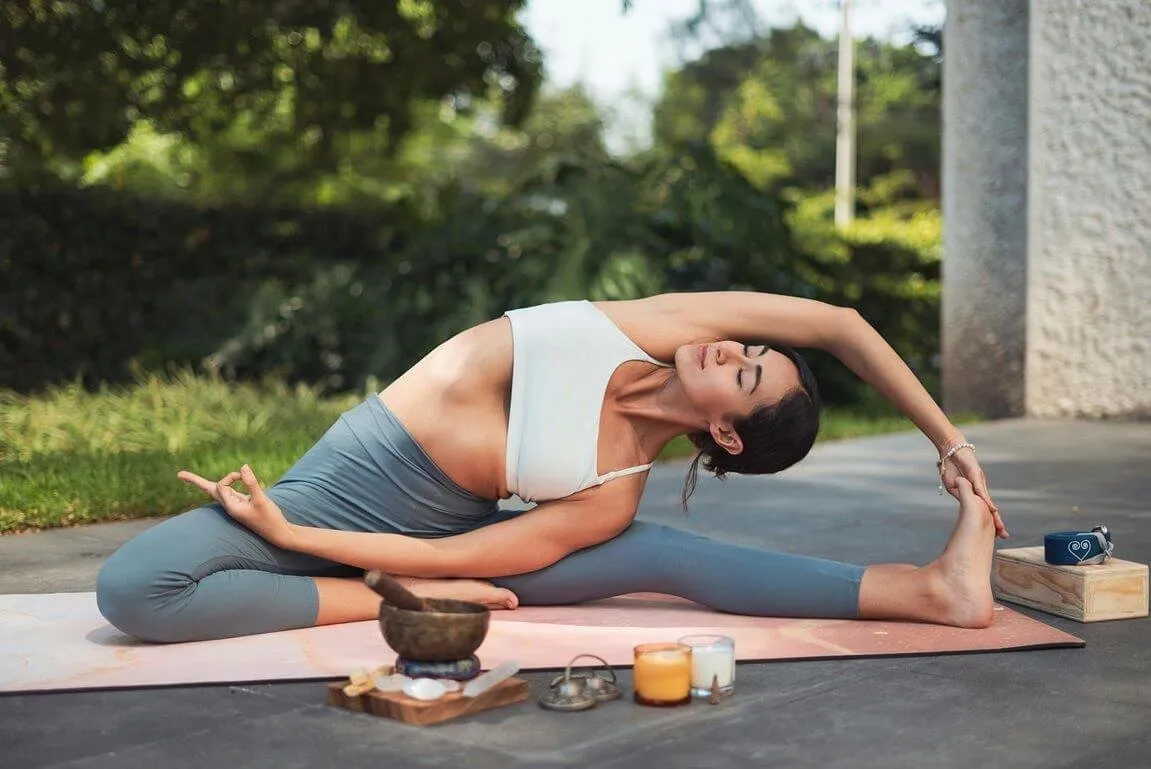
Yoga for Back
Ease back tension and stiffness with gentle, beginner-friendly yoga. Simple poses, supportive core work, and live online classes with certified instructors.
Breathing Exercises for Relaxation
Five simple breathing exercises that may help you feel calmer and more settled. Step-by-step guidance and live, expert-led classes for beginners.
Learn More from Our Journal
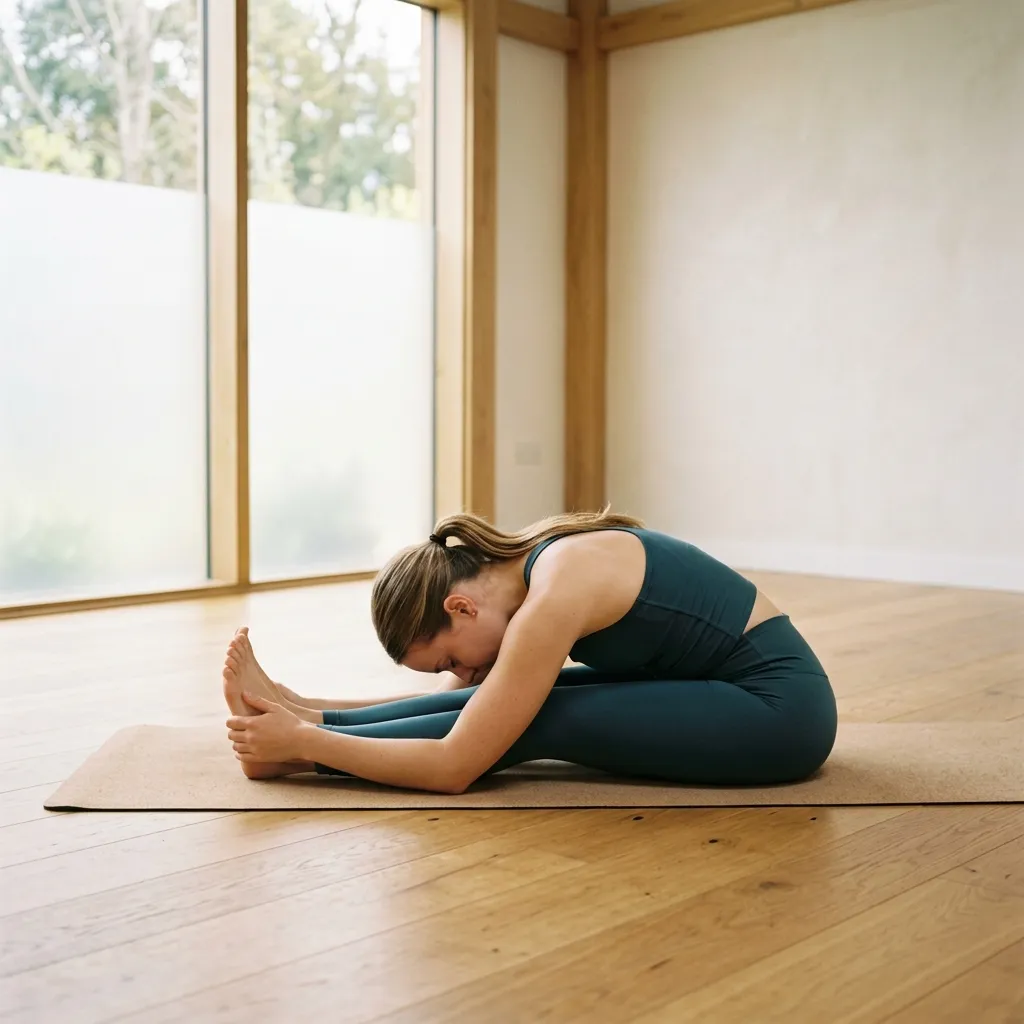
How Long Does It Take to Get Flexible?
A realistic look at how flexibility changes with regular yoga, why consistency matters more than intensity, and what to expect week by week.
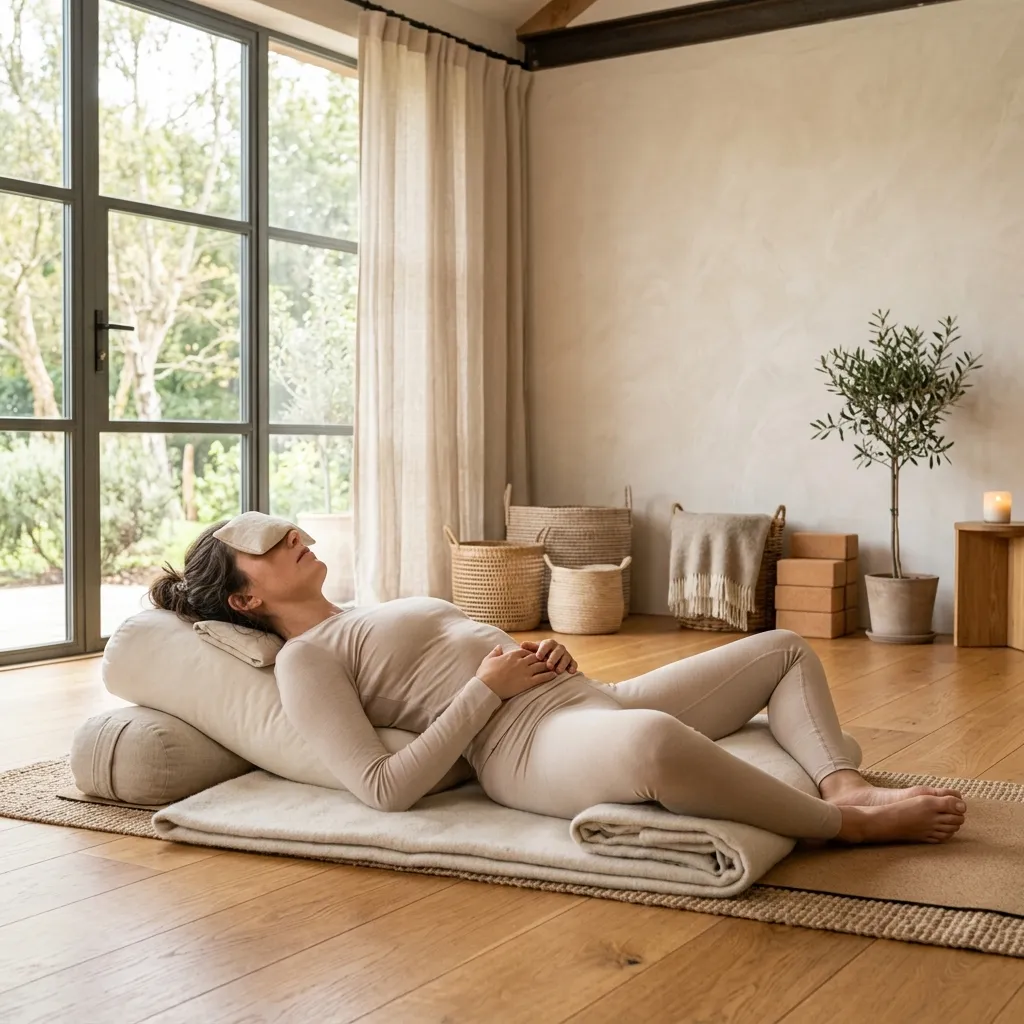
Can Yoga Help You Sleep Better?
Why a slow evening practice may help you wind down, which poses suit bedtime, and the ones to save for daytime. A practical guide you can try tonight.
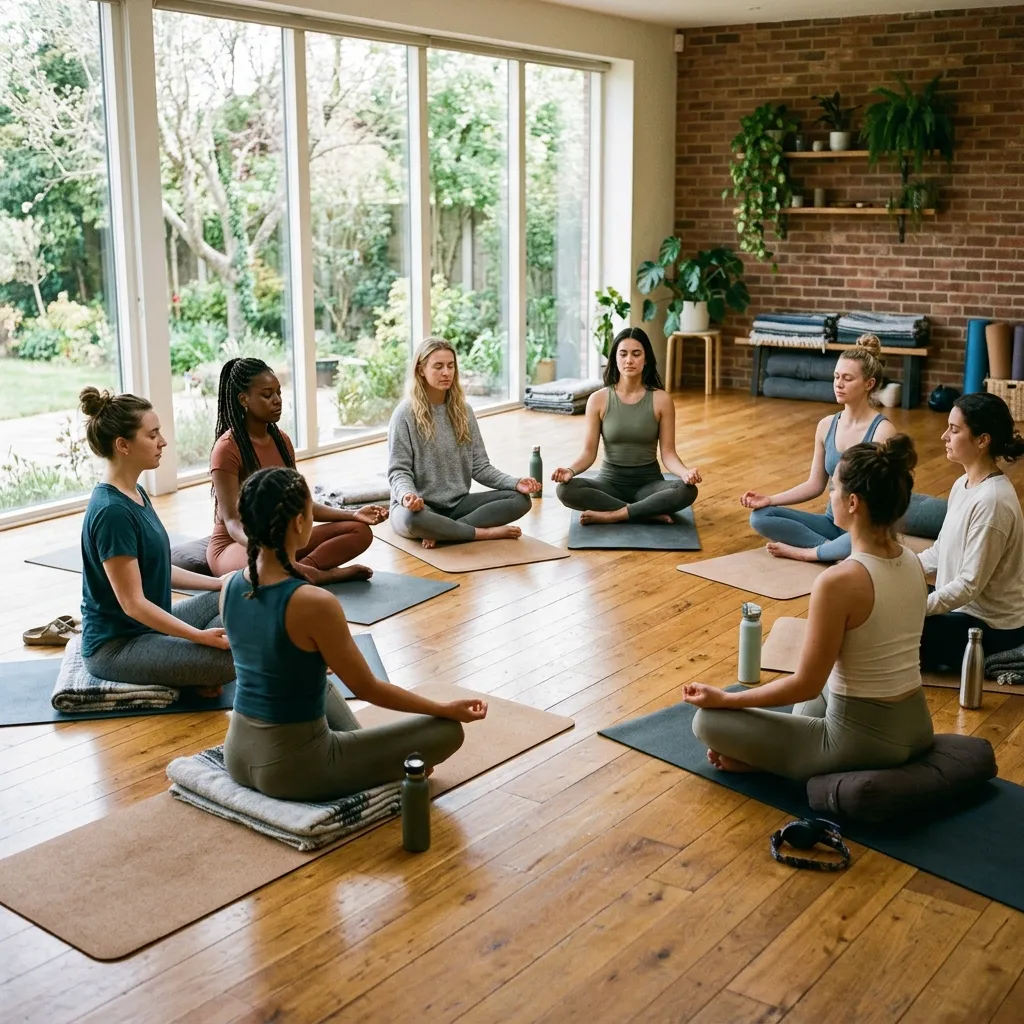
Meditation Techniques for Falling Asleep
Four meditation techniques you can do in bed, why they suit a busy mind at night, and how to build a wind-down that actually sticks.
Questions About Hatha Yoga
What is Hatha yoga?
Hatha yoga is a slower style built around held postures, steady breathing, and clear alignment. Poses are usually held for several breaths rather than flowed through, which gives you time to set each one up properly and understand what it is asking of your body.
Is Hatha yoga good for beginners?
It is one of the most beginner-friendly styles. The slower pace means the instructor can explain each pose, offer props, and correct your alignment while you are still in the shape. Most people find it easier to follow than a flowing class.
How is Hatha different from Vinyasa?
Hatha holds poses with pauses in between; Vinyasa links poses together in a continuous sequence timed to the breath. Hatha tends to feel steadier and more instructional, Vinyasa more rhythmic and aerobic. Many students practise both.
Is Hatha yoga a good workout?
Holding a pose for thirty to sixty seconds is harder than it sounds, and longer holds build genuine strength and stability, particularly through the legs and core. It is less breathless than a flowing class, and the effort is real.
How long is a typical Hatha class?
Most run between forty-five and seventy-five minutes. Shorter sessions suit a weekday morning; longer ones leave more room for breathing practices and a proper rest at the end.
Do I need to be flexible to start?
No. Flexibility is something the practice builds rather than something you need beforehand. Blocks, straps, a chair, and a cushion make every pose accessible from your first class.
How often should I practise Hatha yoga?
Two or three sessions a week is plenty to start, and short daily practice works well too. Consistency matters more than length, so a realistic routine you will keep beats an ambitious one you will not.
Does Hatha yoga include breathing practices?
Usually yes. Simple breathwork often opens or closes a class, and the breath is used throughout the postures to help you settle into a hold. It is taught gradually, so there is nothing to learn in advance.
Sources & further reading
Ready to Start With the Foundations?
Book a friendly, no-pressure consultation with YogShri. We will talk through your experience and what you want from a practice, then help you build a Hatha routine that progresses at your pace.