
Does Yoga Really Help With Weight Loss?
A Realistic, Encouraging Look
Where a regular yoga practice genuinely fits into a healthier, more active lifestyle, and how to begin in a way that feels good.

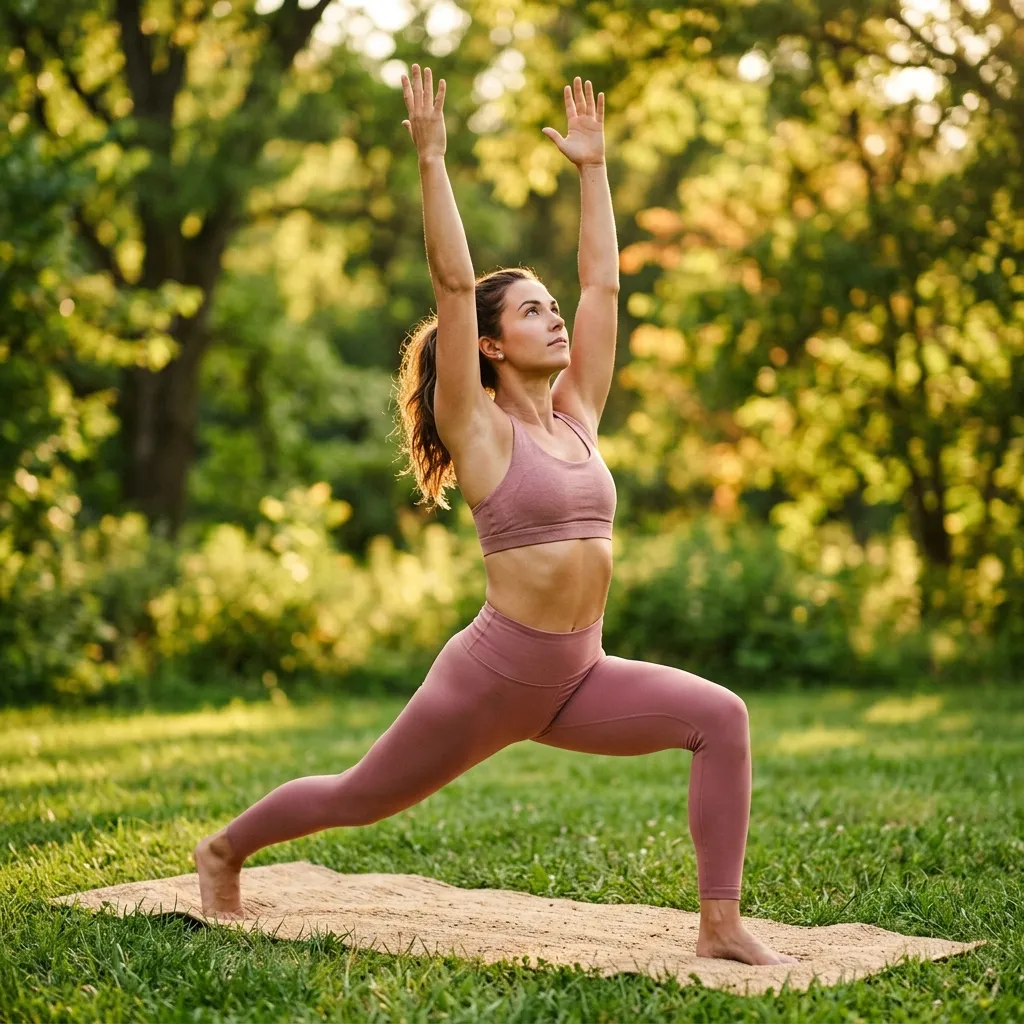
If you have wondered whether yoga has a real place in a weight-management plan, that is a good question to ask. It is not the first thing most people picture when they think about getting more active.
It deserves a place in the conversation. A regular practice builds strength, steadily raises how much you move in a week, and supports the sleep and stress habits that make everything else easier to stick to. Our yoga for weight loss classes are built for exactly that.
None of this happens in isolation. Yoga sits alongside your healthcare provider's guidance and sensible everyday habits around food, sleep and movement. What it offers is something you can genuinely keep doing, which counts for more than intensity over the long run.
More Than Calories on a Screen
Most of us learned to think about this as simple arithmetic: energy in, energy out. Energy balance genuinely matters, and there is more to how a body feels day to day than a single number on a screen.
Sleep, stress and how much you move outside of workouts all shape how easy an active lifestyle feels to maintain. A practice that helps you rest better and feel calmer tends to make the rest of the week more manageable, and that is where yoga quietly earns its place.
Then there is the simple matter of turning up. A style you enjoy, taught by someone who knows your name, is a style you will still be doing in six months. Consistency does most of the work here.
A Gentle Reminder
This is general wellness guidance rather than medical advice. If you are managing your weight alongside a health condition, or you are new to exercise, please talk it through with your healthcare provider first. A yoga practice works best alongside their guidance.
What a Regular Practice May Support
Bodies differ, so read the following as possibilities rather than promises. Many people who practise consistently mention one or two of them within the first couple of months.
More muscle strength and steadier balance. Easier movement through everyday tasks. A calmer wind-down in the evening and, often, better sleep. More awareness of how you feel before, during and after eating. And a weekly activity habit that holds up when life gets busy. Results vary.
Which Styles Suit You Best
There is no single right answer here, and mixing styles across the week works well for most people. What matters is finding something you look forward to.
- Hatha - steady pacing and longer holds. A good place to learn the shapes properly.
- Vinyasa - flowing and continuous, so it lifts your breathing rate and gets you warm.
- Power yoga - stronger and more demanding, with plenty of standing and core work.
- Chair or gentle yoga - fully supported, and an easy way in if standing for long is tiring.
- Restorative and yoga nidra - slow, quiet sessions that support rest on the days between more active ones.
If weight management is your main aim, a practical week might look like two stronger sessions, one steady class, and one slow and restful one. Pair that with walking and you have a genuinely sustainable base. Our yoga for obesity and weight management page goes into adapting poses in more detail.
Mindful Eating Is the Quiet Advantage
The part people rarely expect is what happens around food. Yoga spends a lot of time asking you to notice things - where your weight is, how your breath is moving, whether you are gripping somewhere you do not need to.
That noticing tends to travel. Many people find they start to spot the difference between real hunger and the pull of boredom or a stressful afternoon, and that eating slows down a little. It is a gentle shift rather than a rule to follow, which is probably why it lasts.
How Long Does It Take to See a Difference?
Expect the earliest changes to be ones you feel rather than see. Within a few weeks, most people notice they move more easily, sleep a little better, and feel less stiff getting out of a chair. Clothes fitting differently and visible changes usually come later, and depend on plenty besides exercise.
Go at a pace you can sustain. A steady practice you enjoy will serve you better over a year than an intense month you abandon. Results vary, and slow progress still counts as progress.
Helpful further reading
- Exercise — NHS
- Yoga: Benefits beyond the mat — Harvard Health Publishing
- Yoga: What you need to know — U.S. National Center for Complementary and Integrative Health
- Physical activity basics — CDC
About the author
The YogShri editorial team writes warm, plain-spoken, evidence-aware yoga and wellness guides. We teach mindful movement, breathwork and relaxation for everyday well-being. We are not medical professionals, and our articles are general education, not medical advice.
Start Your Yoga Journey
Join YogShri for live, interactive classes with instructors who adapt every pose to your body.
- Live guidance on your alignment
- Options for every body and level
- Strong and gentle classes each week
No commitment. Cancel anytime.
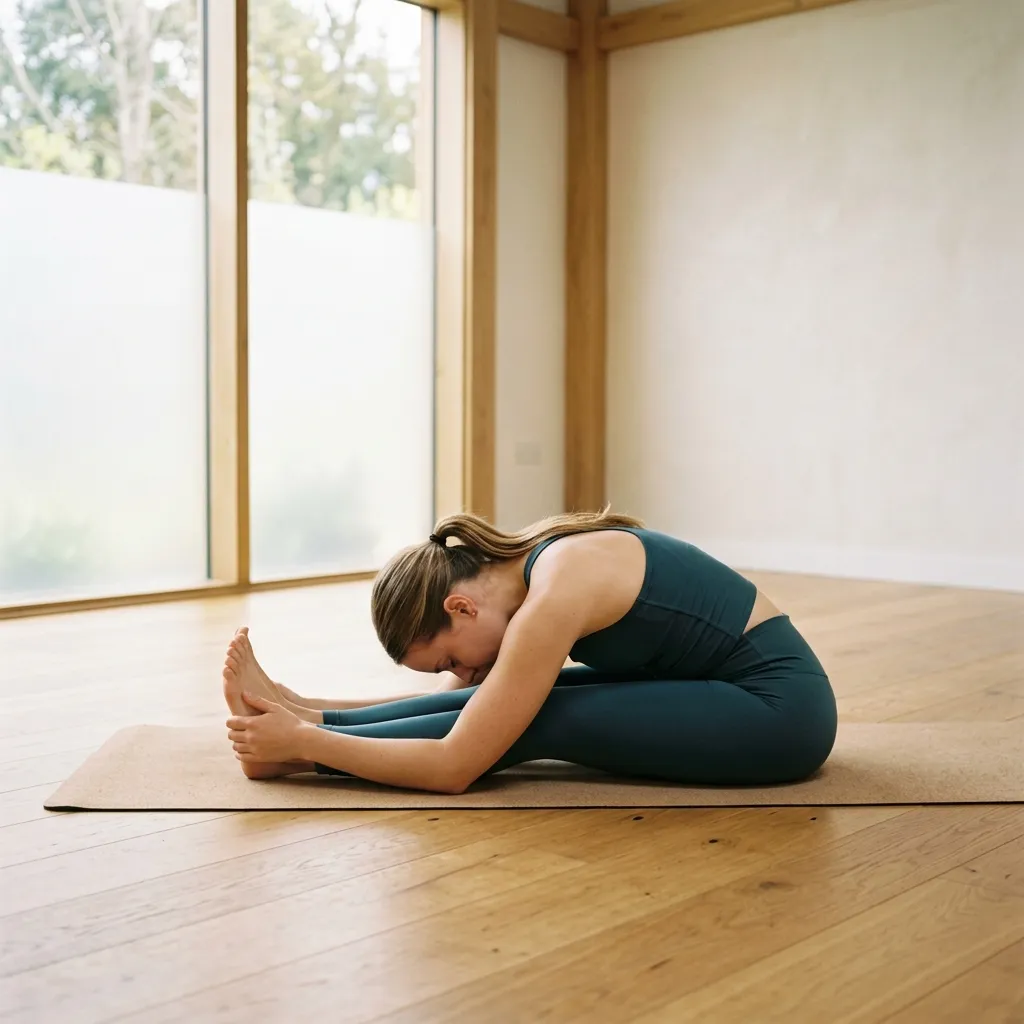
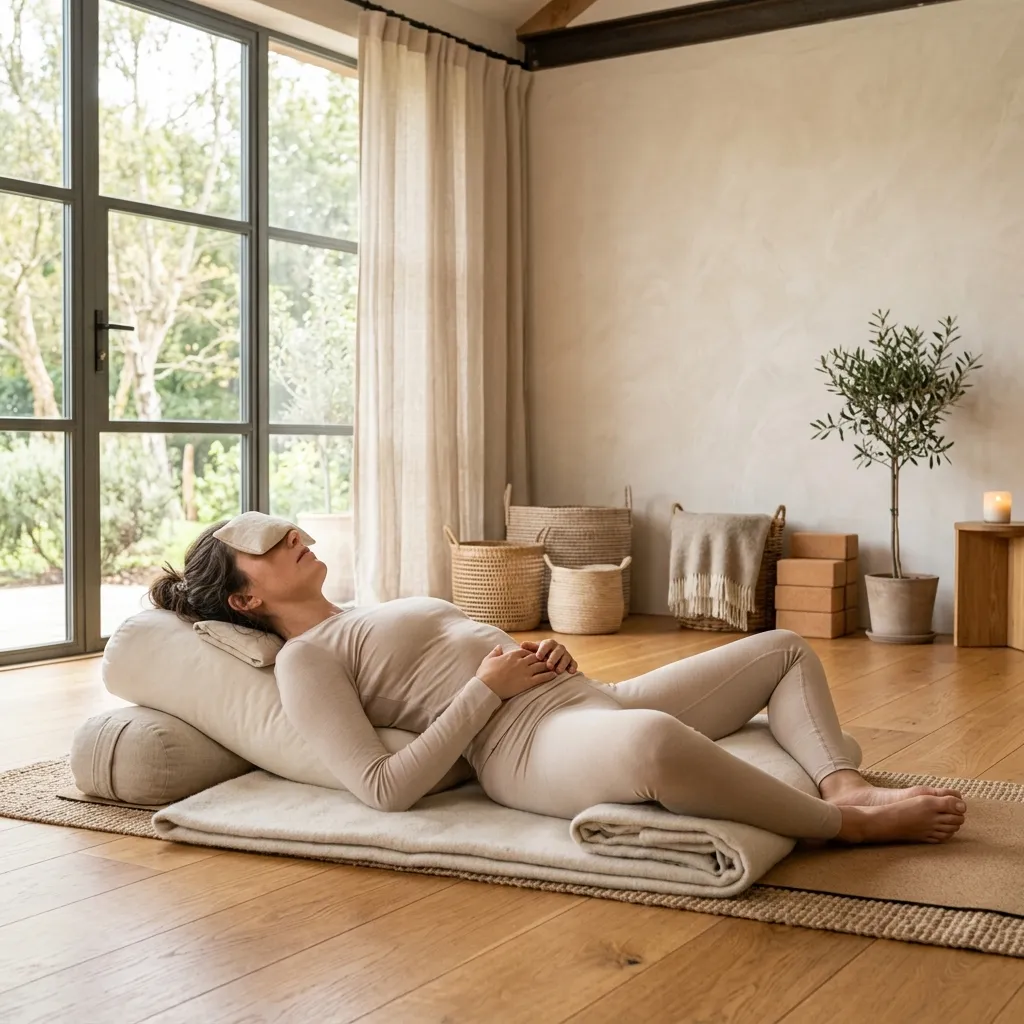
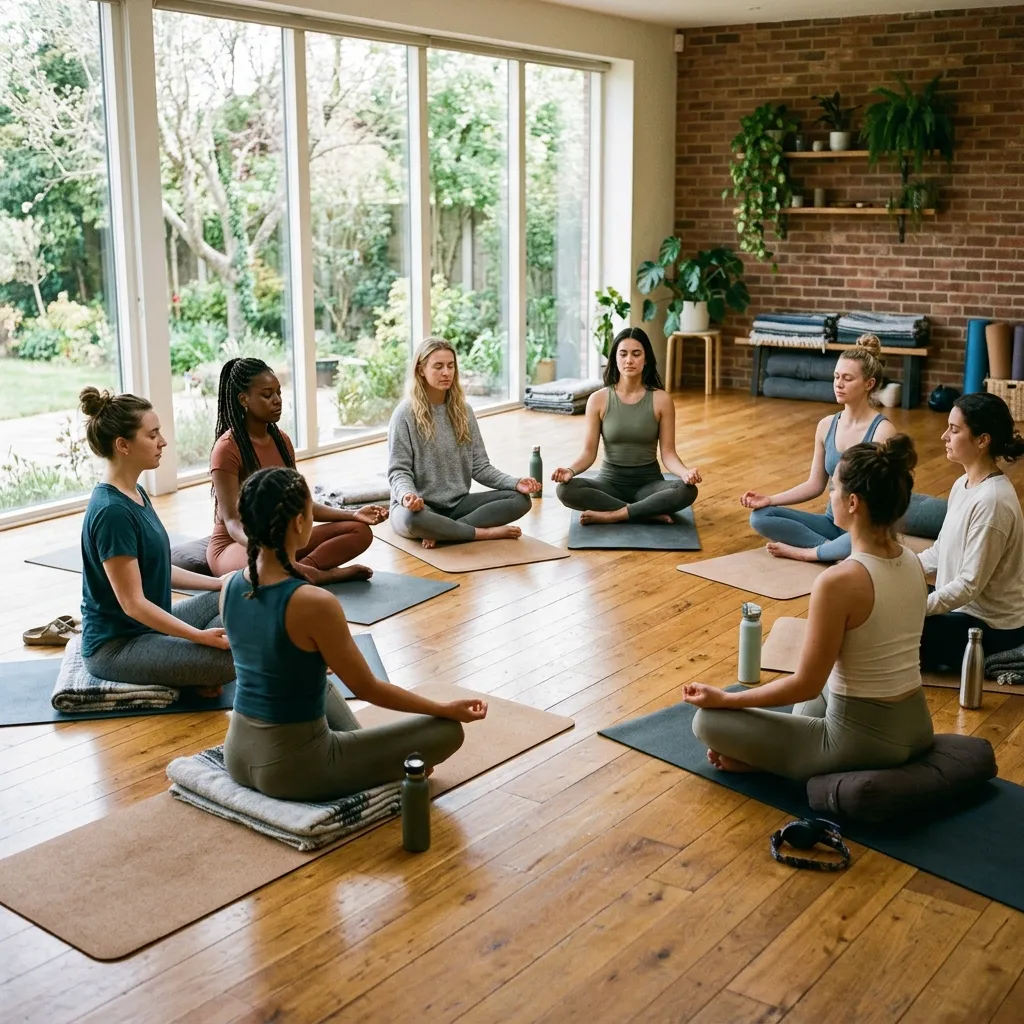
Explore Our Yoga Programs

Yoga for Anxiety & Stress
Calming, beginner-friendly yoga and breathwork that may help ease anxiety and everyday stress. Simple poses plus live, expert-guided classes.
Yoga for Back
Ease back tension and stiffness with gentle, beginner-friendly yoga. Simple poses, supportive core work, and live online classes with certified instructors.
Breathing Exercises for Relaxation
Five simple breathing exercises that may help you feel calmer and more settled. Step-by-step guidance and live, expert-led classes for beginners.