
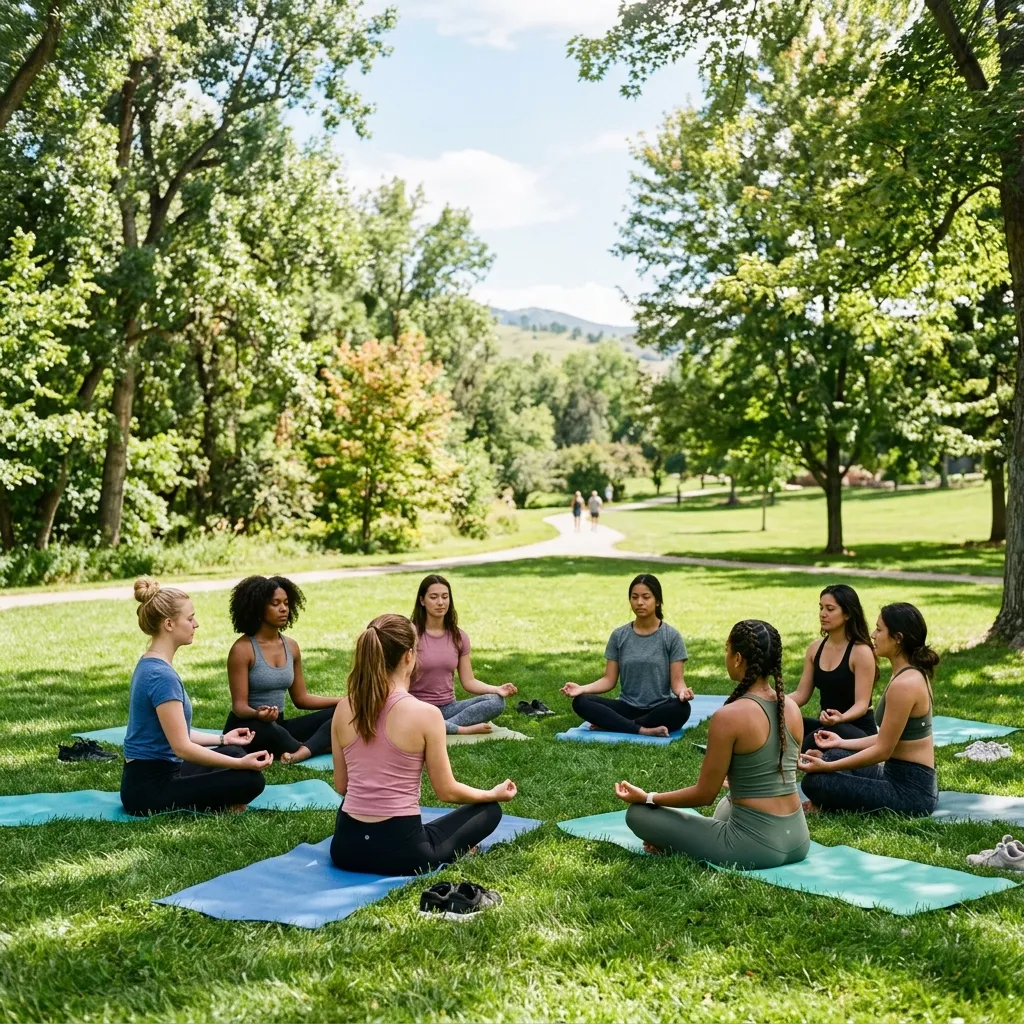
Meditation for Sleep
Five simple techniques you can practise lying in bed to help settle a racing mind and drift off.
Can Meditation Help You Sleep?
Often, yes. At YogShri, live guided sessions teach simple techniques you practise lying in bed that may help quiet a busy mind and settle into sleep. Results vary.
- Quiets Racing Thoughts
- Gives the mind one simple thing to rest on instead of tomorrow
- Practised Lying Down
- Done in bed, so drifting off partway through is the goal
- Needs No Experience
- A body scan takes no counting and nothing to learn
- Works at 3am Too
- The same techniques help if you wake in the night
Why Students Choose YogShri
Learning the technique with a live teacher first makes it far easier to use on your own at midnight, when nobody is guiding you.
Small groups of 10 to 15 for real focus
You are never just a tile on a screen. You can ask what to do when the technique is not working for you.
Evening sessions to suit your bedtime
Join a guided session in the hour before bed. Every class is live and interactive, never a recording.
Learn techniques you can use alone
The aim is independence. Your instructor teaches each technique clearly so you can use it without any recording.
A practice shaped around your nights
We start with a one-on-one chat about how you sleep and what keeps you awake, then help you pick the techniques that suit you.
Who Can Benefit from Meditation for Sleep?
Nothing physical is required. If you can lie in bed and follow a simple instruction, every technique here is available to you tonight.
Anyone Whose Mind Races at Bedtime
If your thoughts speed up the moment the lights go off, these techniques give your attention somewhere gentler to go.
People Who Wake in the Night
Waking at 3am is common. Having a technique ready is far better than lying there watching the clock.
Shift Workers
When you need to sleep at unusual hours, a reliable wind-down routine helps signal that it is time regardless of the light outside.
Anyone Winding Down From a Screen
A few quiet minutes is a far kinder transition into sleep than scrolling right up until lights out.
Busy Parents & Caregivers
When the house finally goes quiet, a simple practice helps your mind catch up with the calm.
Complete Beginners
No experience needed, and no sitting cross-legged. You practise lying exactly as you would to sleep.
Five Meditation Techniques for Sleep
Try one per night rather than all five, and give each a few nights before deciding. Practise lying in bed with the lights out - if you drift off partway through, that is exactly what you want. Start with the body scan if you are new to this.
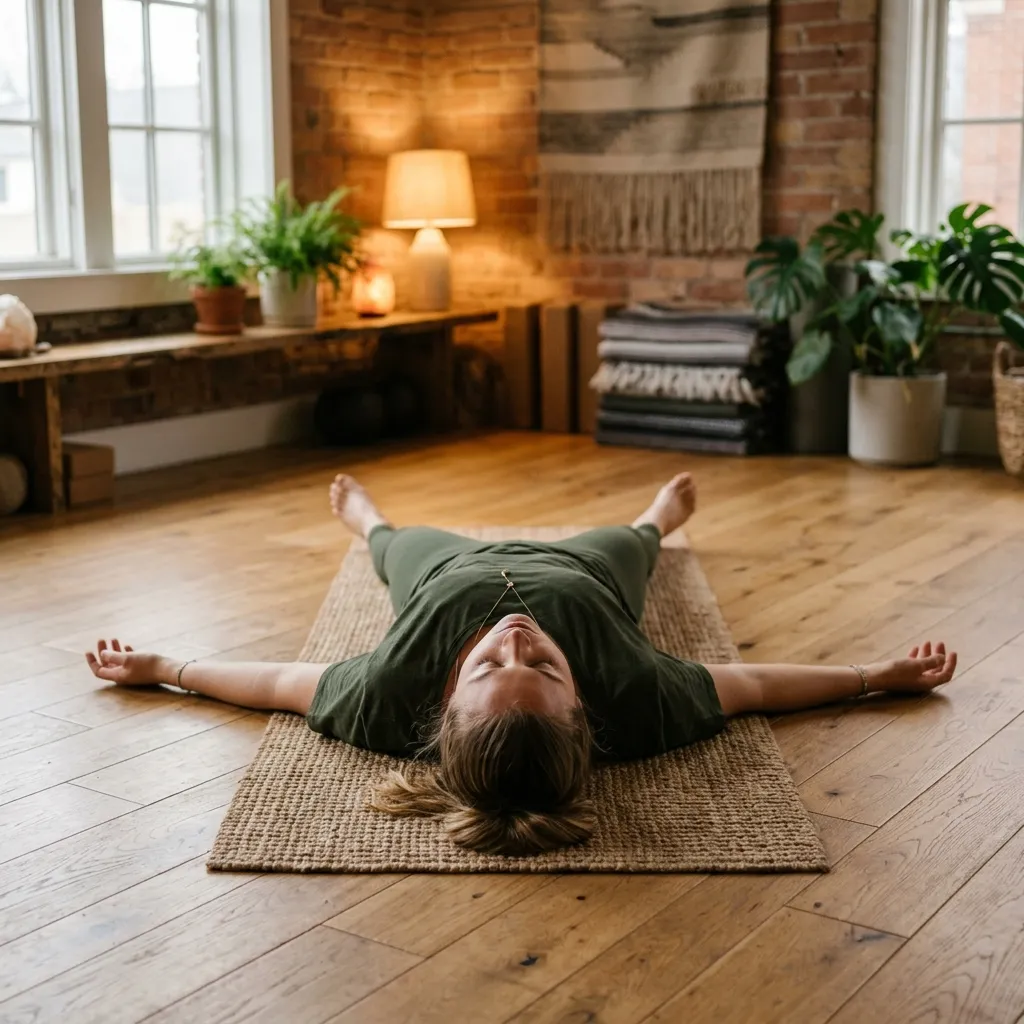
Body Scan
Moving your attention slowly through the body from the toes upward.
- Lie comfortably in bed with the eyes closed
- Bring your attention to your toes and simply notice how they feel
- Move slowly upward - feet, ankles, calves, knees - resting a few seconds on each
- There is nothing to relax deliberately. Just notice, then move on
- If you lose your place, pick up wherever you think you were. Most people fall asleep before the shoulders
Why it helps: The most dependable place to start. No counting and nothing to remember, and moving attention through the body naturally draws you away from thinking.
Start Your Free Trial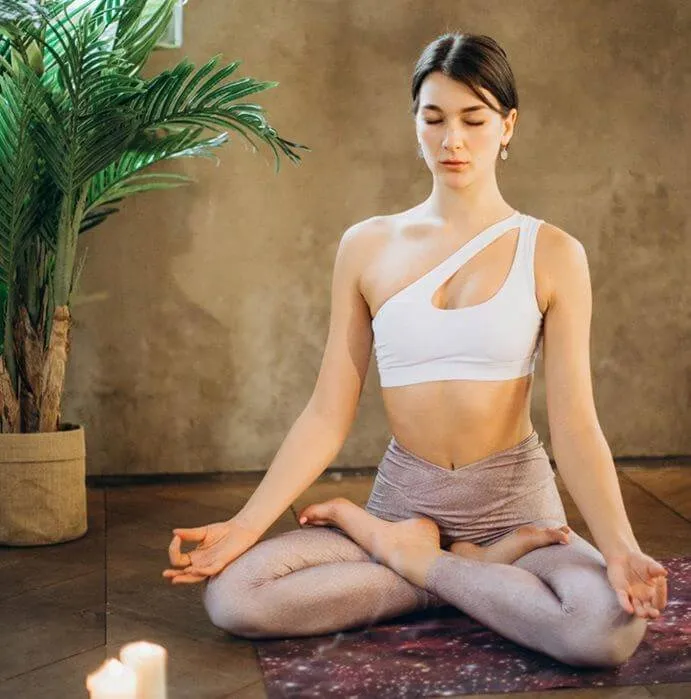
Slow Counted Breathing
Counting a slow breath with a longer exhale than inhale.
- Breathe in slowly through the nose for a count of four
- Breathe out slowly for a count of six, keeping it smooth
- Do not hold the breath at any point - keep it continuous
- If four and six feel like a strain, use three and four instead
- Continue without counting rounds. Let the rhythm carry you
Why it helps: The fastest of the five to take effect, and useful when you have been lying awake and want something concrete to do.
Start Your Free Trial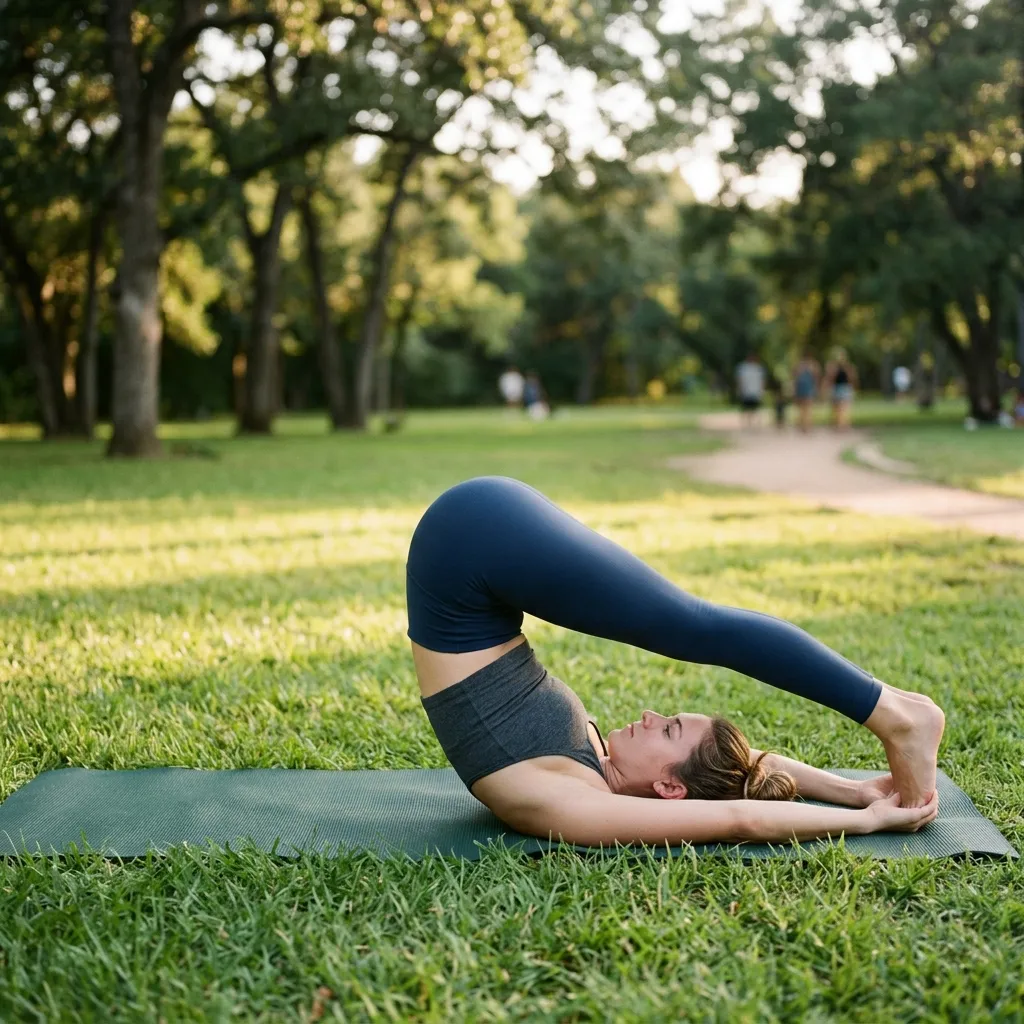
Progressive Muscle Relaxation
Gently tightening then releasing each muscle group in turn.
- Lie comfortably and take a few slow breaths
- Gently tense the muscles of your feet for about five seconds - firmly, never hard enough to cramp
- Release completely and notice the difference for ten seconds or so
- Work slowly upward through calves, thighs, hands, arms, shoulders, and face
- Skip any area that is injured or sore
Why it helps: Best when your body feels wound up rather than your mind. The contrast between tensing and letting go makes relaxation something you can actually feel.
Start Your Free Trial
Guided Visualisation
Picturing a calm, familiar place in gentle detail.
- Choose somewhere calm and familiar - a quiet beach, a garden, a favourite room
- Picture it in unhurried detail, one sense at a time
- What can you see, then hear, then feel against your skin
- Keep the scene still and uneventful. Nothing should happen in it
- If your mind wanders to your day, gently return to the scene
Why it helps: Useful when a busy mind wants something more engaging than the breath. Giving it a peaceful scene occupies it without stimulating it.
Start Your Free Trial
Yoga Nidra
A structured guided relaxation led by a teacher from start to finish.
- Lie down comfortably with a cushion under the knees and a blanket over you
- Join a live guided session, or ask your instructor which recording to use at home
- Simply follow the voice through the body, the breath, and the imagery
- There is nothing to remember and nothing to get right
- Falling asleep partway through is completely fine
Why it helps: The easiest option on nights when you have no capacity to guide yourself, because a voice does all the work for you.
Start Your Free TrialThe Benefits ofMeditation
A short, regular bedtime practice offers several connected benefits that support easier nights and steadier days.
- Supports Restful SleepA calming routine helps many people settle and drift off more easily.
- Supports Stress ReliefA few quiet minutes gives a busy mind somewhere steady to rest.
- Eases TensionTechniques like progressive relaxation help the body let go of held tightness.
- Quiets Racing ThoughtsFollowing something simple is easier than trying to stop thinking.
- Supports Rest & RenewalA reliable wind-down you can return to as often as the night needs it.
- Builds Body AwarenessYou start noticing where tension sits, while it is still easy to soften.
- Needs No EquipmentJust your bed and a few quiet minutes. Nothing to buy or set up.
- Supports Steady BreathPractice makes a slower, calmer breath easier to find when you need it.
Common Mistakes to Avoid
Sleep meditation works differently from daytime practice. Trying to do it well is usually what keeps you awake.
Trying hard to fall asleep
Effort is the one thing that reliably keeps you awake. Focus on the technique and let sleep arrive on its own - it usually does.
Getting frustrated when the mind wanders
Wandering is what minds do, and noticing it is the practice. Expect it dozens of times and simply return each time.
Checking the clock
Turn it away from you. Knowing the time only adds pressure, and the arithmetic about lost sleep wakes you further.
Only trying it on bad nights
Practise on easy nights too. A familiar technique is far more effective than something new attempted at 3am.
Switching technique every few minutes
Stay with one for the whole session and give it a few nights. Hopping between them keeps the mind busy rather than settling it.
Practising with the phone in your hand
Learn the technique first, then put the phone away and in another room if you can. The screen undoes much of the benefit.
Practising Safely
This is general wellness guidance rather than medical advice. These techniques ask nothing physical and suit most people, and they work best alongside your healthcare provider guidance - please speak with them if sleep problems are persistent, or before starting if you live with trauma, panic attacks, or a mental health condition, since body-focused practices can occasionally feel uncomfortable.
Do
- Practise lying comfortably in bed with the lights out
- Keep breathing smooth and quiet, never forced
- Let yourself fall asleep partway through - that is the aim
- Stay with one technique for the whole session
- Turn the clock away from you
- Stop and open your eyes any time you feel uneasy
Avoid
- Holding the breath or straining to reach a count
- Practising these techniques while driving
- Tensing hard enough to cramp during muscle relaxation
- Tensing an area that is injured or sore
- Judging the session or scoring how well it went
- Using meditation as a replacement for professional care for ongoing sleep problems
Key takeaways
- Simple meditation techniques may help quiet a busy mind at bedtime and settle you into sleep. Experiences vary from person to person.
- Practise lying in bed. Unlike daytime meditation, drifting off partway through is the goal rather than a lapse.
- Start with the body scan. It needs no counting and nothing to remember.
- Trying hard to fall asleep is what keeps you awake. Follow the technique and let sleep arrive.
- Practise on good nights too, so the technique is familiar when you need it at 3am.
Explore Related Practices

Yoga for Anxiety & Stress
Calming, beginner-friendly yoga and breathwork that may help ease anxiety and everyday stress. Simple poses plus live, expert-guided classes.
Yoga for Back
Ease back tension and stiffness with gentle, beginner-friendly yoga. Simple poses, supportive core work, and live online classes with certified instructors.
Breathing Exercises for Relaxation
Five simple breathing exercises that may help you feel calmer and more settled. Step-by-step guidance and live, expert-led classes for beginners.
Learn More from Our Journal
How Long Does It Take to Get Flexible?
A realistic look at how flexibility changes with regular yoga, why consistency matters more than intensity, and what to expect week by week.
Can Yoga Help You Sleep Better?
Why a slow evening practice may help you wind down, which poses suit bedtime, and the ones to save for daytime. A practical guide you can try tonight.
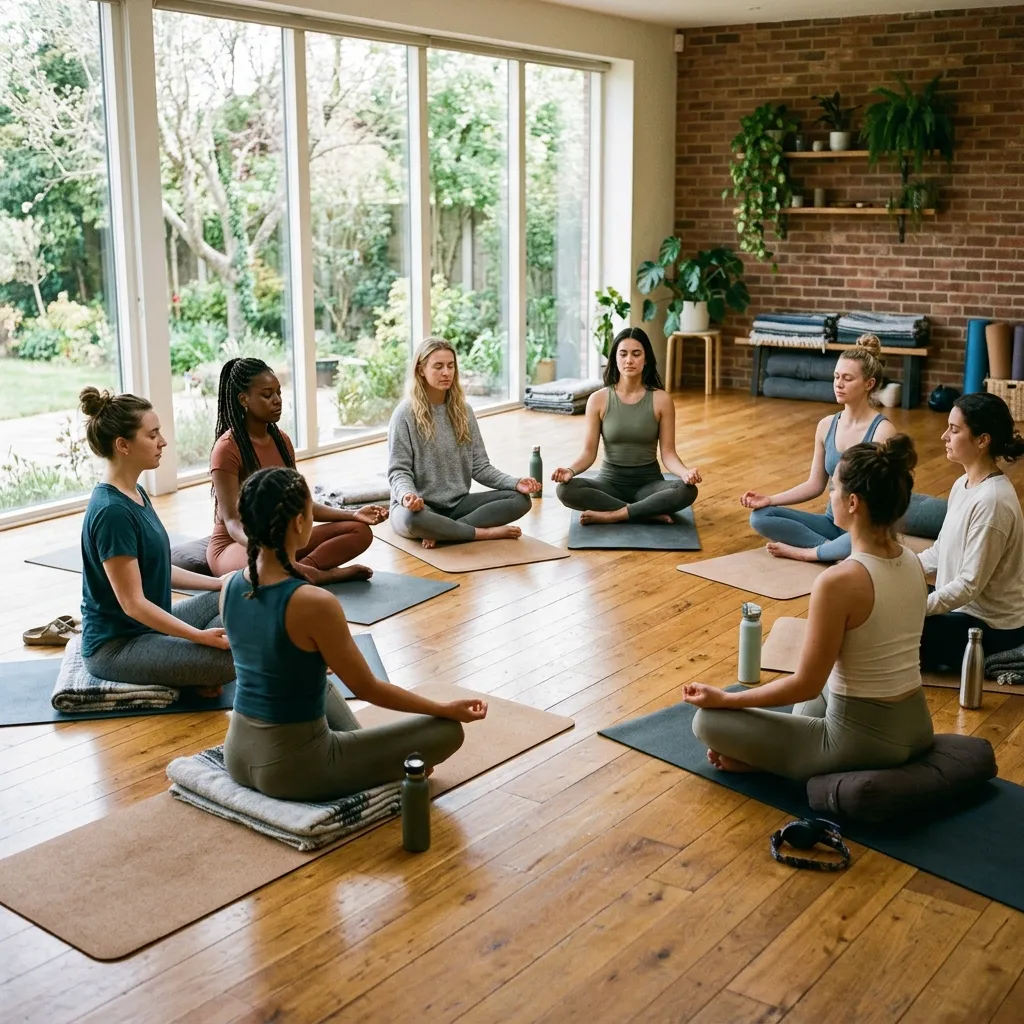
Meditation Techniques for Falling Asleep
Four meditation techniques you can do in bed, why they suit a busy mind at night, and how to build a wind-down that actually sticks.
Questions About Meditation for Sleep
Can meditation help me fall asleep?
Many people find it helps. Meditation gives a racing mind something simple and undemanding to rest on instead of tomorrow to-do list. Experiences vary, and it works best alongside good sleep habits and your healthcare provider guidance.
Can I meditate lying in bed?
Yes, and for sleep meditation that is the point. Unlike seated meditation where staying alert matters, here you actively want to drift off, so lying comfortably in bed is exactly right.
Which technique works best for sleep?
The body scan is the most reliable starting point. It is simple, needs no counting, and moving attention slowly through the body naturally draws you away from thinking.
What if I fall asleep partway through?
Then it worked. There is no need to finish. Unlike daytime meditation, falling asleep is the goal rather than a lapse in concentration.
My mind keeps wandering. Am I doing it wrong?
No, that is simply what minds do. Noticing you have wandered and gently returning is the practice itself, not a failure. Expect it to happen many times.
How long should I practise for?
Ten to twenty minutes suits most people, but there is no need to watch the clock. Start the technique and let it carry you until you drift off.
What if I wake in the night?
These techniques work just as well at 3am. A body scan or slow counted breathing gives you something to do other than checking the time and worrying about it.
Should I speak to a doctor about my sleep?
Yes, if sleep problems are persistent or affecting your daily life. Meditation is a supportive habit rather than a substitute for professional care, so please raise ongoing difficulties with your provider.
Sources & further reading
- Meditation and Mindfulness: What You Need To Know — National Center for Complementary and Integrative Health (NCCIH)
- Relaxation Techniques: What You Need To Know — National Center for Complementary and Integrative Health (NCCIH)
- Sleep and Health — U.S. Centers for Disease Control and Prevention (CDC)
- How to get to sleep — NHS
- Sleep tips: 6 steps to better sleep — Mayo Clinic
Ready for Quieter Nights?
Book a friendly, no-pressure consultation with YogShri. We will talk through what keeps you awake, then help you find the techniques most likely to work for you.