How Long Does It Take to Get Flexible?
A Realistic Timeline
Flexibility responds to regular, patient practice more than to hard stretching. Here is what changes, and when.
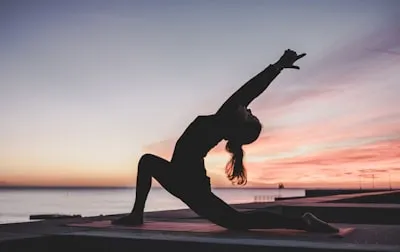
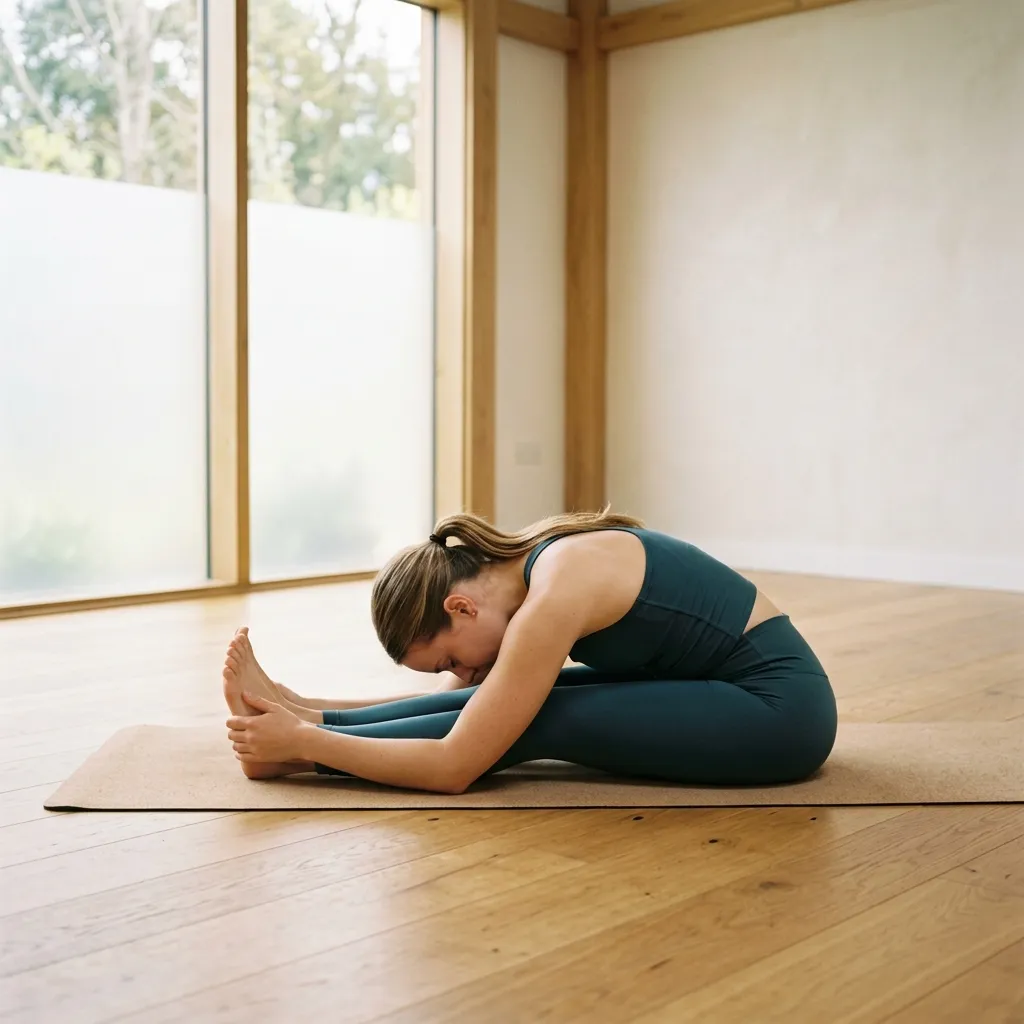
Everyone wants a number. Six weeks? Three months? The honest answer is that flexibility responds reliably to two things: showing up often, and not forcing it.
What surprises most people is how early the first changes turn up. Not in how far you can fold, but in how the folding feels. Our yoga for flexibility classes lean into that.
Why Patience Outperforms Force
Push hard into a stretch and the body pushes back. That protective tightening is doing its job, and arguing with it teaches the area to guard more. The alternative is slower and considerably more effective: find the edge where you feel something but can still breathe normally, stay there, and let the breath do the persuading. You will often feel the tissue give a little on the third or fourth exhale. That is the sensation to chase, rather than intensity.
A Gentle Reminder
Stretching should feel like a broad, tolerable pull, never a sharp or electrical sensation. If you feel pain, tingling, or numbness, come out of the shape and check in with a healthcare professional. This is general wellness guidance rather than medical advice.
A Rough Timeline
Bodies vary enormously, so read this as a pattern rather than a promise. Results vary.
- Session one - you will already feel looser afterwards. Much of that is your nervous system relaxing rather than tissue changing, and it will partly fade. That is completely normal.
- Weeks one to three - poses start feeling familiar. Less negotiation, less bracing, and you spend more of each hold actually breathing.
- Weeks four to eight - usually where people notice something they can see. Hands further down the shins, a deeper squat, a head that turns further.
- Months three to six - the new range starts holding between sessions rather than only during them.
- Beyond that - it keeps going, gradually, for as long as you keep practising.
The Bits People Skip
Hips and hamstrings get all the attention, and there is more to the picture. Ankles limit squats. The upper back limits overhead reach and twisting. Shoulders limit almost everything with arms in it. A practice that moves the whole body - a bit of shoulder work, some ankle and calf work, some spinal rotation - tends to produce faster visible change than hammering the same two stretches.
How Often, Realistically
Three or four short sessions a week will do more than one long one. Fifteen to twenty minutes is plenty when it is regular. And if you are choosing between a perfect hour on Sunday and ten scrappy minutes most evenings, take the ten minutes - flexibility is a frequency game. Warm tissue also cooperates better, so practising after a walk or later in the day often feels easier than first thing.
Helpful further reading
- Flexibility exercises — NHS
- Yoga: What you need to know — U.S. National Center for Complementary and Integrative Health
- Physical activity basics — CDC
About the author
The YogShri editorial team writes warm, plain-spoken, evidence-aware yoga and wellness guides. We teach mindful movement, breathwork and relaxation for everyday well-being. We are not medical professionals, and our articles are general education, not medical advice.
Practise Little and Often
Join YogShri for live classes with instructors who help you find a useful edge without overreaching.
- Live guidance on your alignment
- Options for every body and level
- Short sessions that fit your week
No commitment. Cancel anytime.
Explore Our Yoga Programs
Yoga for Anxiety & Stress
Calming, beginner-friendly yoga and breathwork that may help ease anxiety and everyday stress. Simple poses plus live, expert-guided classes.
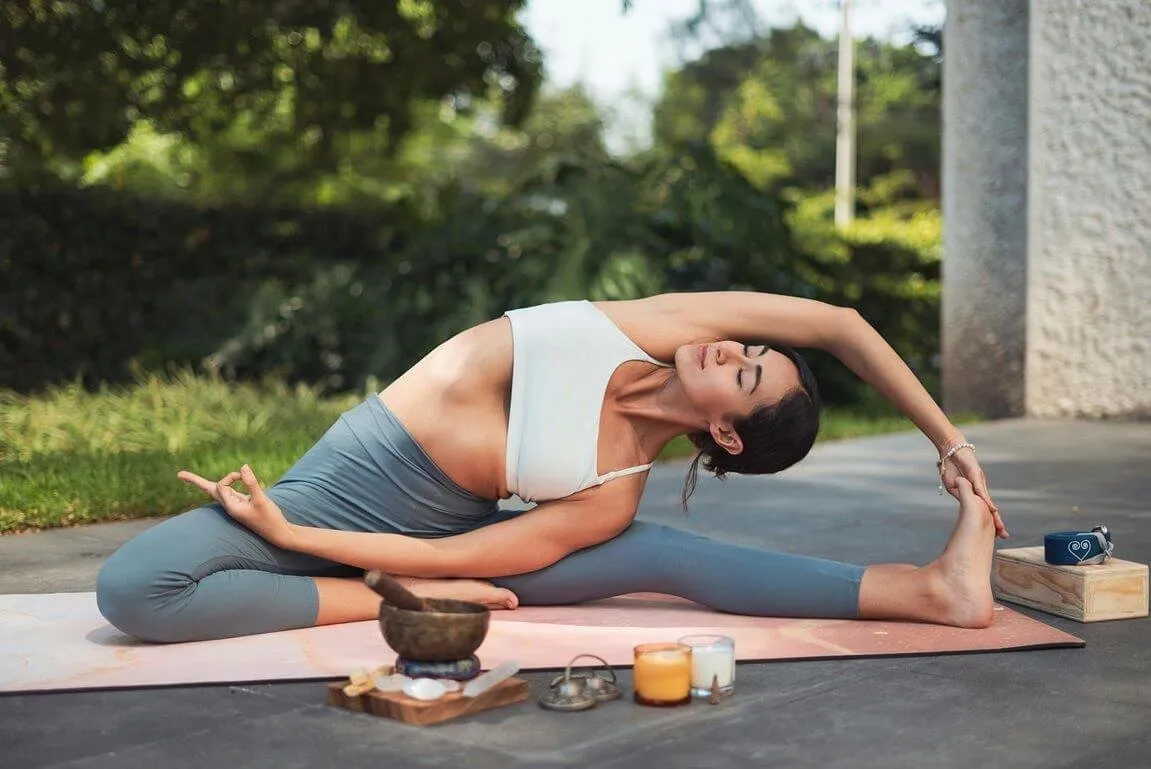
Yoga for Back
Ease back tension and stiffness with gentle, beginner-friendly yoga. Simple poses, supportive core work, and live online classes with certified instructors.
Breathing Exercises for Relaxation
Five simple breathing exercises that may help you feel calmer and more settled. Step-by-step guidance and live, expert-led classes for beginners.